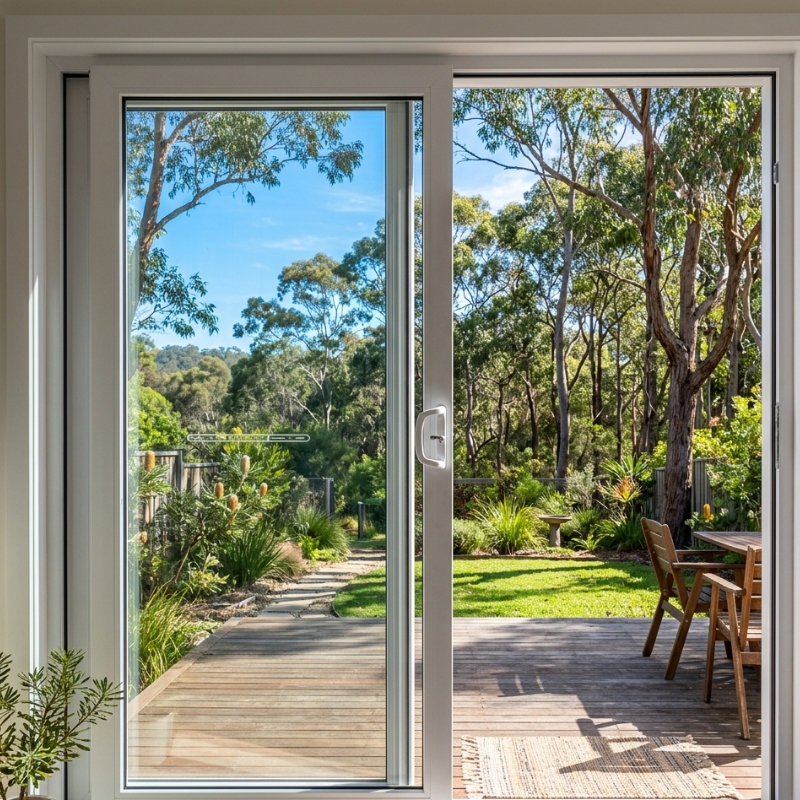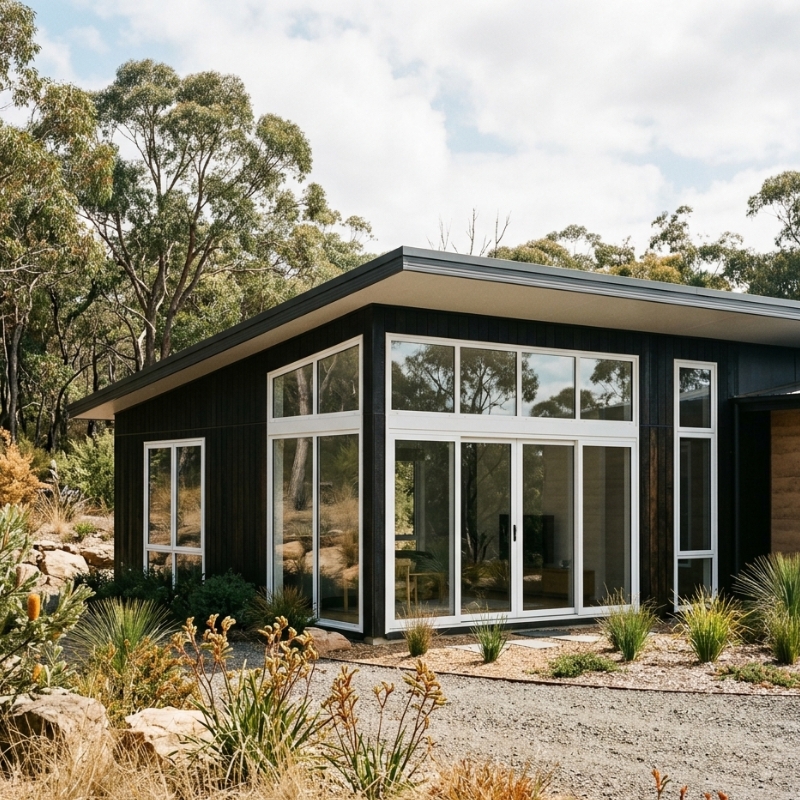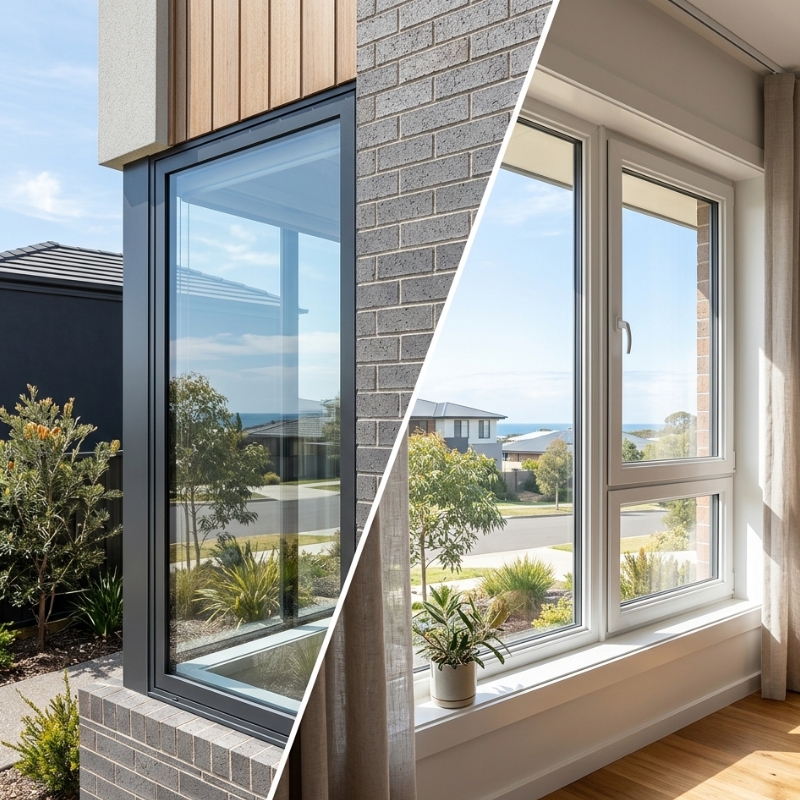
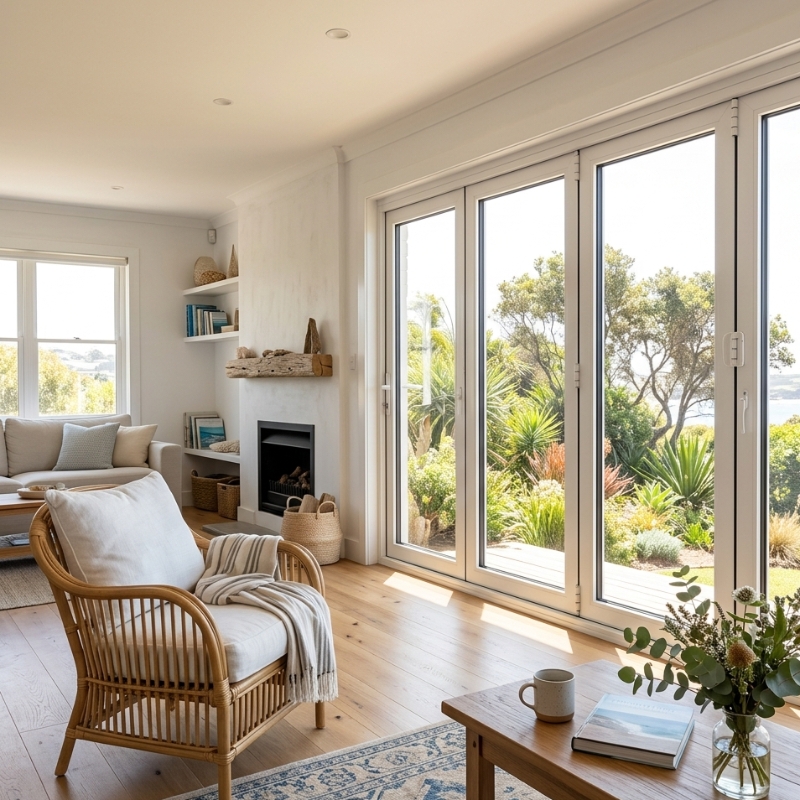
Bi-folds open whole walls, invite in the breeze and create that indoor-outdoor flow so many NSW homeowners want. The catch is that those wide openings still need to shut tightly when the southerly hits or bushfire smoke drifts across the suburbs. Choosing a frame material that keeps its shape and lets weather seals do their job makes all the difference. Many renovators assume aluminium frames are the ‘premium’ option, yet modern uPVC systems have quietly lifted their game on sealing, energy efficiency and acoustic control. In this guide we weigh up how both materials perform under the temperature swings, coastal salt spray and dust storms that New South Wales regularly dishes out. If you are still deciding on modern uPVC bi-fold door options, the points below will help you judge whether the extra sealing performance is worth the switch.
1. Why Door Sealing Matters More in NSW Than You Might Think
The NSW climate is anything but uniform. Western Sydney hits 45 °C in summer, the South Coast sees salty onshore winds, and the Tablelands can freeze overnight. Each condition challenges door seals differently.
• Heat waves make metal frames expand, squeezing or misaligning gaskets.
• Sudden cool changes pull frames back, often leaving tiny gaps that whistle on windy nights.
• Coastal moisture encourages galvanic corrosion on metal hardware, reducing compression in seals.
• Bushfire smoke and dust from dry inland winds sneak through the smallest lapses in sealing.
Tighter seals keep conditioned air in, reduce noise from busy roads and can contribute to a better BASIX score on new builds. The question is which frame material maintains that seal most consistently over a typical 20-year life span.
2. How Frame Movement Affects Weather Seals
Aluminium: Strong but Highly Conductive
Aluminium has impressive strength-to-weight ratio, yet its thermal expansion rate is roughly double that of uPVC. On a west-facing façade in Penrith, the profile temperature might jump from 15 °C to 55 °C between dawn and mid-afternoon. That 40-degree swing can cause a 3-metre-wide aluminium bi-fold to grow by almost a millimetre. It sounds minor, but consecutive hot-cold cycles fatigue screw fastenings and gradually loosen compression seals.
uPVC: Lower Expansion and Better Insulation
uPVC profiles still expand, just at a slower rate. Most reputable systems reinforce main chambers with galvanised steel or aluminium inserts that limit movement further. Because the profile temperature also rises more slowly, the gasket line stays in contact with strike plates and thresholds for longer, keeping out drafts as afternoon storms roll in.
Local installers around Wollongong report fewer ‘call-backs’ to re-adjust uPVC doors compared with aluminium, particularly on darker coloured frames that absorb more heat.
3. Seal Design and Placement: Overlapping vs Slide-In Gaskets
Both materials rely on flexible EPDM or TPE seals, yet the way they are housed differs. Aluminium systems often use slide-in wedge gaskets. These are quick to replace but can bow or shrink at the corners over time, especially if UV exposure is high. Many European-designed uPVC bi-folds use dual overlapping compression seals moulded into the sash and frame. When you pull the handle, the panels draw in tightly on two planes of contact rather than one. This multiplies the air-tightness rating without needing extra effort from the user.
According to the YourHome guide to door sealing, overlapping compression seals are generally more effective than brush or wedge types in windy zones classified N4 or above, which covers many coastal and hilltop NSW properties.
4. Comparing Performance: uPVC vs Aluminium for Sealing
The table below summarises how each material stacks up on the factors that directly influence real-world sealing performance in NSW.
| Factor | uPVC Bi-Fold Doors | Aluminium Bi-Fold Doors |
| Thermal expansion | Low to moderate, reduces seal fatigue | High, can loosen seals in extreme heat then leave gaps when cool |
| Seal design | Dual compression gaskets standard on most quality systems | Single wedge gaskets common, upgrades cost extra |
| Frame temperature conduction | Remains closer to room temperature, lowering condensation risk | Conducts outdoor heat or cold inside, may cause gasket hardening |
| Coastal corrosion resistance | Non-corrosive frame, stainless hardware upgrades available | Frame needs high-grade powder coat; hardware must be marine-rated to avoid salt pitting that breaks seal pressure |
| Maintenance required | Occasional cleaning of tracks and silicone-friendly seal wipe | May need periodic gasket replacement and protective spray for anodised finishes |
| Typical air infiltration rating | As low as 0.1 L/s·m² on premium models | Tends to sit higher unless thermal break and upgrade gaskets are ordered |
While both categories include entry-level and top-end products, uPVC’s inherent resistance to temperature swings gives it a head start on long-term air-tightness.
5. Real-World Test: The Roof-Top Hose Challenge
Installers sometimes run a simple hose test to check sealing. After fitting, they close all panels, lock the handle and spray the external face with a garden hose for five minutes. Inside, they look for drips or damp streaks along the meeting stiles and sill track.
• On uPVC models, any minor water entry usually appears at drain holes, which is expected, and interior stays dry.
• On aluminium doors without upgraded seals, water can track along the thermal break join and appear under the timber flooring.
Tip: If you are comparing quotes, ask whether a water-penetration test is part of the hand-over. It quickly reveals whether sealing adjustments are needed before final payment.
6. Coastal, Bushfire and High-Wind Zones: Special Considerations
Coastal Homes
Salt accelerates corrosion on aluminium hinges and rollers, reducing the clamping force that keeps seals compressed. uPVC frames are inert, but you will still need stainless or brass hardware and regular fresh-water rinses of tracks.
Bushfire-Prone Areas
BAL-rated aluminium frames can distort in the radiant heat phase, causing seals to gap at the corners. BAL40-capable uPVC systems use thicker, flame-retardant profiles that maintain shape for longer.
High-Wind Exposures
On headlands south of Newcastle, wind pressure can force panels to flex. Multi-chambered uPVC sashes with internal steel stiffeners distribute the load, maintaining seal engagement. Aluminium can handle high spans yet may need thicker, more expensive profiles to match the same deflection limits.
7. Maintenance Tips to Keep Any Bi-Fold Door Sealing Properly
Even the best gaskets fail if grit or misalignment gets in the way.
- Vacuum and wipe tracks every two months, especially after dust storms.
- Lubricate hinges and rollers twice a year with silicone-based spray.
- Inspect seals for flattening or cracks at the corners each spring.
- Realign panels if you notice the top edge scraping. Adjusting screws is usually a five-minute job with the right hex key.
- After heavy rain, run a finger along the inside frame. Any damp line signals a seal issue that is cheaper to fix early.
For a deeper dive on care routines, see our post on energy performance of uPVC vs aluminium frames.
8. Common Mistakes That Compromise Sealing
• Choosing a low-profile sill without considering wind-driven rain exposure.
• Mixing marine-grade frames with standard-grade hinges creates a weak link.
• Forgetting to specify integral drain holes at the quoting stage.
• Painting white aluminium frames with dark charcoal, increasing heat gain and expansion.
• Skipping frame packers during installation, leaving uneven gaps around the jamb.
Avoiding these pitfalls will save you from draughty nights and swelling timber floors down the track.
9. Decision-Making Framework: Is uPVC Worth the Switch?
Ask yourself:
• Do you live in an area with large day-night temperature swings?
• Is coastal salt spray or heavy rainfall common?
• Are you aiming for a high BASIX or NatHERS score?
• Do you prefer lower maintenance schedules?
• Is acoustic insulation from traffic a priority?
If you answered yes to two or more, uPVC’s superior sealing and thermal stability usually justify the marginal cost difference. Aluminium still makes sense for ultra-slim sightlines or commercial spans, but be prepared to pay for thermal breaks and premium gasket upgrades.
Frequently Asked Questions
1. Will a uPVC frame warp in the Australian sun?
Quality uPVC profiles for Australia include UV stabilisers and internal steel to prevent warping. Independent testing for local climate zones shows the deformation rate is minimal and well within the tolerance of compression seals.
2. Can I retrofit better seals to an existing aluminium bi-fold?
Yes, but results vary. You can insert new wedge gaskets or stick-on brush strips. However, if the frame has already distorted from heat, even fresh seals might not close the gap completely.
3. Are uPVC seals recyclable at end of life?
The EPDM or TPE seals can be separated and recycled with specialised programs. Many NSW recyclers now accept uPVC frames, and hardware components go into standard metal recycling streams.
4. Does a tighter seal make condensation worse?
Not usually. uPVC’s warmer internal surface reduces the temperature differential, often lowering condensation risk. Good internal ventilation is still important.
5. How often should seals be replaced?
Plan on inspecting every two years. In coastal NSW, expect replacement around the 10- to 12-year mark. Inland or shaded façades can see seals last 15 years or more.
Final Thoughts
Sealing performance comes down to how well a frame material resists movement, corrosion and UV damage while keeping gaskets firmly compressed. Aluminium can do the job, but often needs thermal breaks, upgraded gaskets and vigilant maintenance. uPVC bi-fold doors start with lower expansion, dual compression seals and non-corrosive frames, giving them a practical edge in many parts of New South Wales. If drafts, dust and energy bills are already headaches in your home, leaning toward uPVC could save you years of adjustment calls and weather-strip replacements. When in doubt, request a water-penetration test on any door you plan to install and confirm the seal warranty in writing.