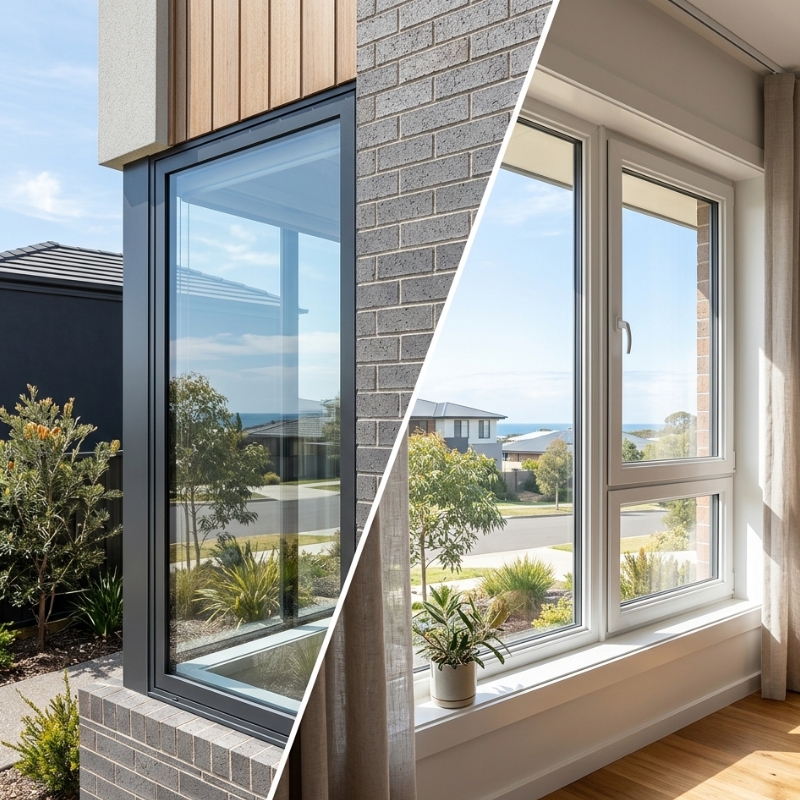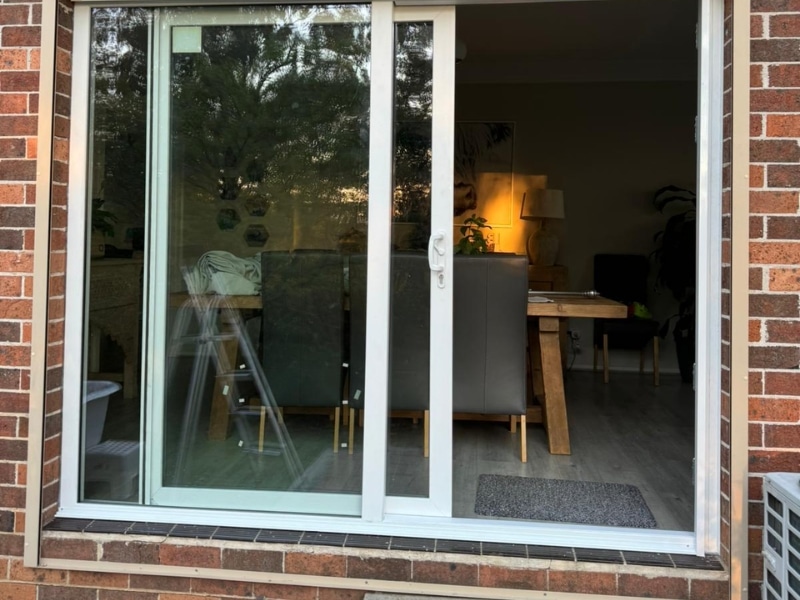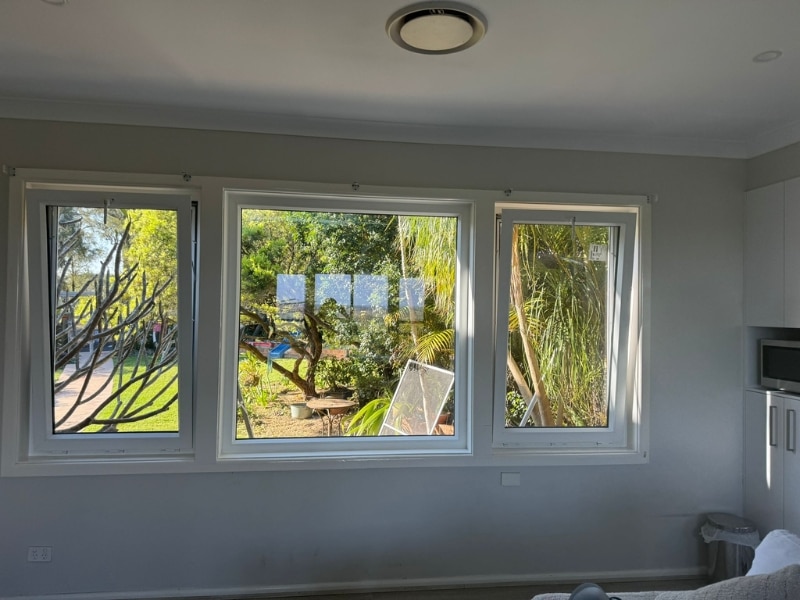
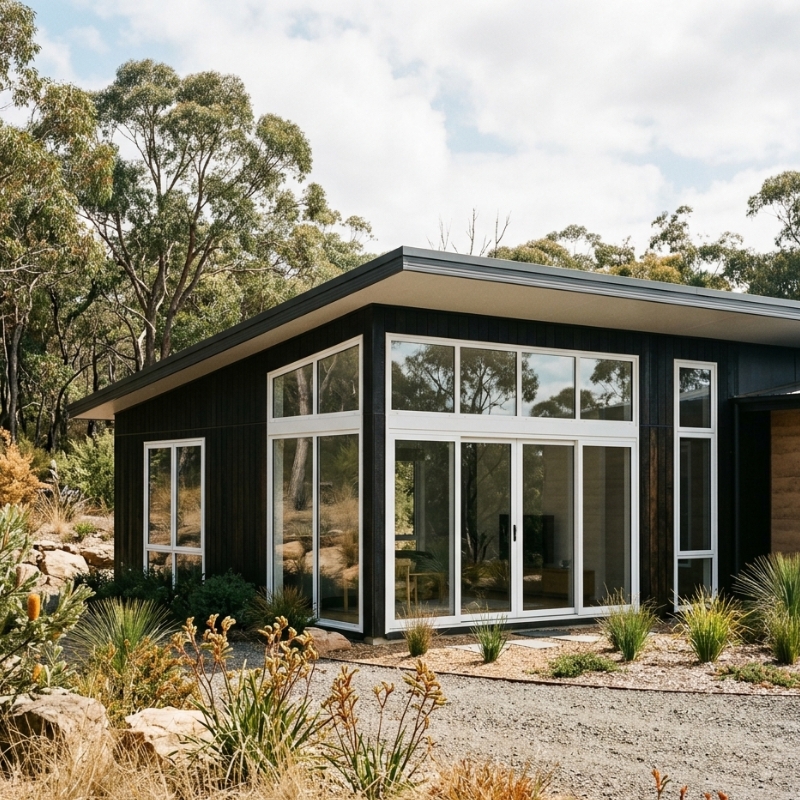
The Black Summer fires reminded many New South Wales homeowners that ember attack, radiant heat and flying debris can threaten suburbs well beyond the bush fringe. If you are balancing comfort, energy bills and bushfire safety, you have likely come across BAL ratings. In short, the higher the Bushfire Attack Level, the tougher the material and installation standard must be. This article unpacks what BAL-40 really means, why modern uPVC frames can meet the challenge and how they differ from older timber or aluminium units. You will also see why some builders now recommend upgrading to durable uPVC windows and doors long before the next fire season.
1. What Is a BAL-40 Rating and Why Does It Matter?
BAL stands for Bushfire Attack Level, a measure set out in AS 3959-2018 to quantify the potential exposure a building face may receive during a bushfire. BAL-40 is the second-highest category, just below the direct flame zone (BAL-FZ).
Key BAL-40 conditions:
• Very high risk of ember attack and ignition of debris
• Higher levels of radiant heat (up to 40 kW/m²)
• Increased chance of glass breakage under heat stress
Why it matters in NSW
From the Blue Mountains to the South Coast, local councils require evidence of compliance when approving new builds or major renovations in designated bushfire-prone areas. Failing to meet BAL-40 can lead to approval delays, insurance complications and higher long-term repair costs.
2. How uPVC Frames Are Engineered for BAL-40 Compliance
Early plastic frames struggled under extreme heat, but modern uPVC formulations are significantly different. BAL-40 ready profiles typically include:
• Heat-resistant additives that delay softening
• Internal steel reinforcement to maintain shape under load
• Double or triple weather-seals to resist ember penetration
• Compatible glazing beads and hardware that hold the unit together during thermal shock
For BAL-40, most suppliers pair the frame with toughened glass and a compliant sealing method around the reveal. When correctly installed, the window or door passes a full-system test rather than a simple material check.
External testing and proof
Australian suppliers submit their BAL-40 designs to NATA-accredited labs for radiant-heat and ember tests. Always ask for a current test report before signing off on a quote.
Table 1 – BAL Categories at a Glance and Typical Window Requirements
| BAL Category | Radiant Heat (kW/m²) | Typical Glazing Requirement | Frame Considerations |
| BAL-12.5 | ≤ 12.5 | Standard toughened or laminated glass | Standard uPVC, timber or aluminium |
| BAL-19 | ≤ 19 | 5 mm toughened glass minimum | Metal or uPVC with ember-proof seals |
| BAL-29 | ≤ 29 | 6 mm toughened glass or specific double glazing | Heavy-duty seals, ember screens |
| BAL-40 | ≤ 40 | 6 mm toughened (often double-glazed) with bushfire seals | Tested uPVC or metal frame with steel reinforcement |
| BAL-FZ | > 40 (direct flame) | Fire-resistant glazing or shutters | Specialised metal or non-combustible frame systems |
The table highlights that BAL-40 is a significant jump from BAL-29, making independent test evidence essential.
3. Comparing BAL-40 uPVC With Aluminium and Timber in Bushfire Zones
Homeowners often assume aluminium is safest because it is non-combustible. The reality is more nuanced.
Resistance to Heat Distortion
Aluminium softens around 660 °C but conducts heat quickly, which can cause surrounding seals and glazing to fail. BAL-40 uPVC frames are formulated to delay softening and conduct far less heat, protecting internal finishes.
Maintenance and Corrosion
Timber needs regular resealing to prevent ember lodging in small cracks. Coastal NSW homeowners also find salt spray degrades powder-coated aluminium. uPVC is naturally salt- and moisture-resistant, reducing ongoing upkeep.
Energy Efficiency
Aluminium requires thermal breaks to match the insulating value of standard uPVC. A BAL-40 uPVC system can combine bushfire resistance with strong U-values straight out of the box.
Cost Over Lifecycle
While upfront prices vary, lower repainting, sealing and corrosion repairs often make uPVC competitive over ten years.
4. Installation Factors That Make or Break BAL-40 Performance
Even the best-rated frame can fail if fitted poorly. NSW building certifiers will look for the following:
• Ember-seal tapes and backer rods installed between the frame and wall
• Non-combustible flashings around sills and heads
• Bushfire-rated flyscreens on operable windows (stainless steel mesh, ≤ 2 mm aperture)
• Approved fixings that will not melt or fatigue early
Remember, BAL-40 certification is void if any untested component is substituted on-site.
5. Common Mistakes to Avoid When Selecting Bushfire-Rated Windows
- Assuming any uPVC is BAL-40 ready – Only systems tested as a whole unit qualify.
- Mixing suppliers – Frames and glazing must be the exact combination in the test report.
- Skipping site assessments – A street can contain multiple BAL zones; verify each façade.
- Overlooking ventilation limits – Trickle vents or large louvres may breach ember protection rules.
- Leaving bushfire compliance until the end of design – Retrofitting compliance features later often costs more.
6. Quick Inspection Checklist for Existing Windows in High-Risk Areas
Use this list after windy or hot days to spot early problems:
• Cracked or missing external seals near the frame
• Mesh screens with holes larger than 2 mm
• Warped sashes that no longer close snugly
• Flaking paint or exposed timber in older frames
• Condensation between glass layers indicating failed IGU seals
Any two or more signs together suggest it may be safer to investigate a BAL-40 upgrade.
7. Decision Guide: Upgrade Now or Monitor?
Below is a summary to help homeowners weigh urgency.
| Situation | Risk if Ignored | Next Step |
| Home within mapped BAL-40 zone, frames over 20 years old | Higher chance of ember entry, insurance issues | Seek a quote for BAL-40 replacement |
| Frames under 10 years but seals deteriorating | Ember gaps likely to widen | Reseal immediately, book professional inspection |
| Aluminium frames with no thermal break, high energy bills | Heat escape and condensation | Compare costs of BAL-40 uPVC double glazing |
| Timber windows recently painted, no gaps | Low immediate risk | Monitor yearly, reassess after extreme heat events |
8. Frequently Asked Questions
1. Do BAL-40 uPVC windows look bulkier than standard frames?
They can be slightly deeper to house thicker glass and steel reinforcements, but profile design has improved. Many homeowners find the difference hard to spot once architraves are installed.
2. Will a BAL-40 rating make my insurance cheaper?
Insurers rarely publish set discounts, yet many apply lower bushfire risk loadings when certified products are installed. Keep your compliance certificates handy for renewals.
3. Can I retrofit screens to achieve BAL-40 without full replacement?
Screens alone rarely bring a non-compliant frame up to BAL-40 because the glass thickness, seals and fixings must also meet the standard.
4. Are BAL-40 uPVC doors heavier to operate?
Reinforcement adds weight, but quality hinges and rollers are specified in the test. Most users notice no practical difference after correct setup.
5. What official resource explains BAL assessment in NSW?
The NSW Rural Fire Service provides detailed guidance on mapping your property, applying AS 3959 and lodging development applications.
Final Thoughts
BAL-40 compliance is more than a box-ticking exercise. It is about combining bushfire resilience with year-round liveability. Modern uPVC windows and doors give NSW homeowners a way to meet strict ember and radiant-heat rules while also improving insulation and cutting maintenance. If your current frames are ageing, or if you have recently been re-mapped into a higher BAL zone, taking time to understand the system now can prevent rushed choices later. For a broader overview of material benefits beyond bushfire performance, you may also like our explainer on the advantages of uPVC windows and doors.