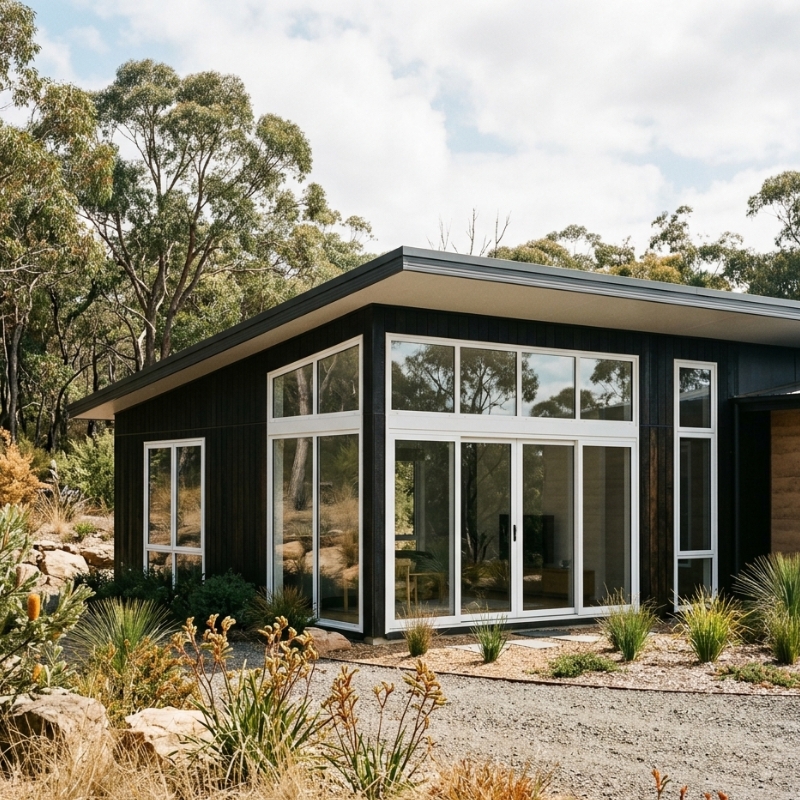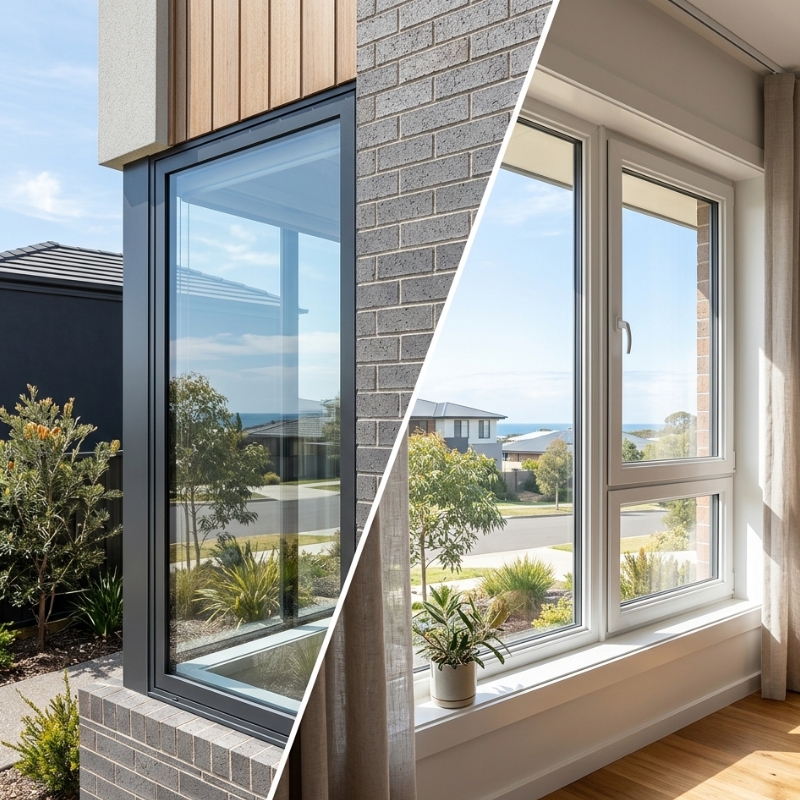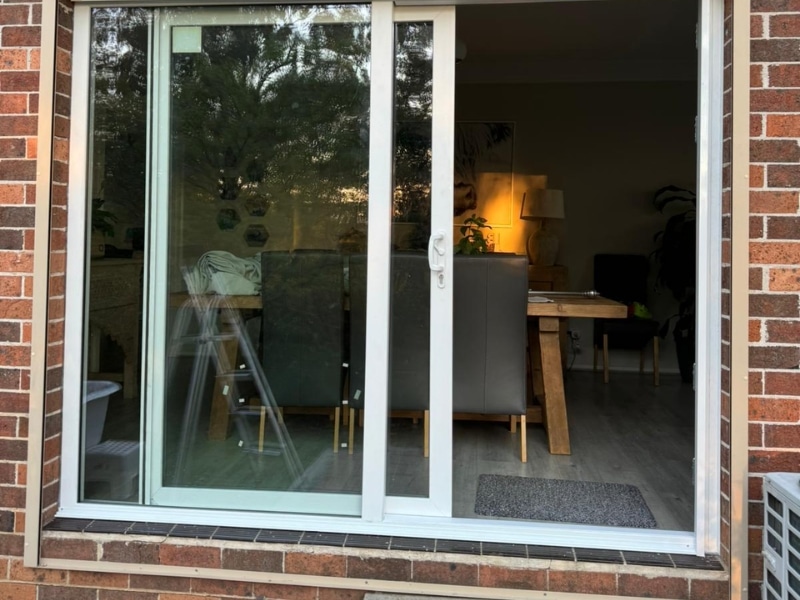
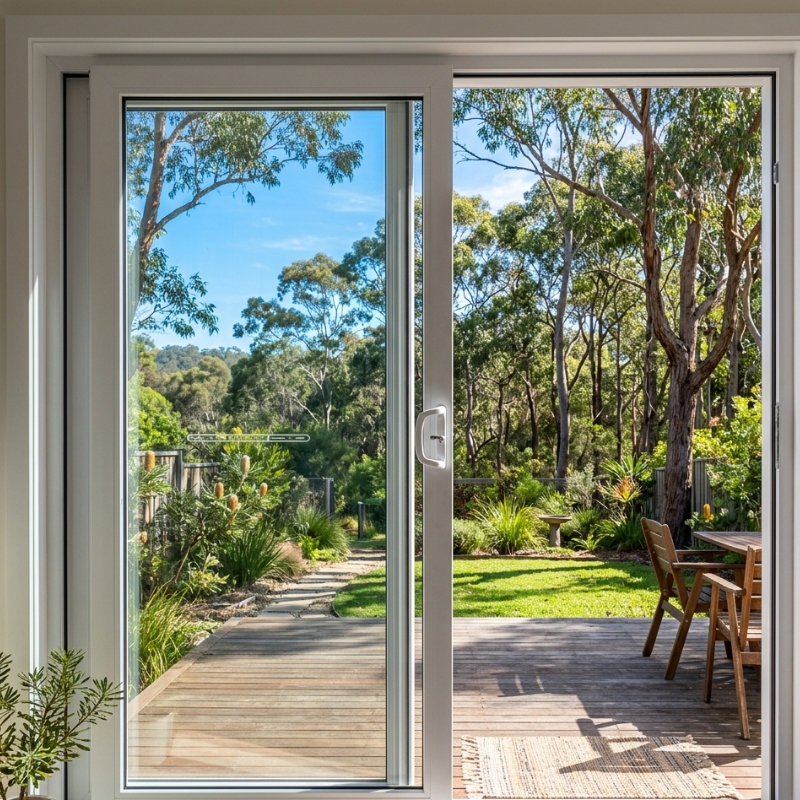
Open-plan living and a big alfresco area are worth nothing if the room beside the doors feels like a sauna in January or an icebox in July. Many NSW homeowners blame the weather, but the real thief of comfort is often an outdated aluminium slider with tired seals and single glass. In a state where summers regularly top 35 °C along the coast and frosts bite further inland, keeping the inside temperature steady should not be a war with the air-con or heater.
Modern double-glazed uPVC sliding doors tackle both extremes at once. The tight‐sealing uPVC frame stops winter draughts sneaking in, while the insulated glass unit slows summer heat from pouring through the pane. Add the right low-E coating and spacer technology and you gain a wide doorway that feels almost as thermally stable as a solid wall.
Below, we unpack the science, compare old and new systems, and show NSW homeowners what to look for before making the switch. You will also find a soft link to our range of uPVC sliding doors if you decide it is time to upgrade.
1. Understanding Where the Comfort Leaks Begin
Sliding doors lose comfort in three main places.
- The frame: Metal conducts heat, so aluminium frames act like a thermal bridge.
- The glass: Single panes let radiant heat in and out with little resistance.
- The seals: Worn or poorly designed seals allow uncontrolled airflow.
In coastal NSW, afternoon sun can drive interior glass temperatures up to 60 °C, radiating heat into the room well after sunset. Conversely, inland winter nights can drop below 0 °C, turning the glass into a cold sink that draws warm air toward it and creates that familiar “cold draught” feeling across the floor.
uPVC frames are naturally insulating because the material is not a metal. Double glazing introduces a pocket of air or argon between two panes, cutting conductive and radiant heat transfer by roughly half compared with a single pane of the same size. Add modern multi-point locking and compression seals, and the door shuts more like a fridge than a flimsy patio slider.
2. How Double Glazing Works in Both Seasons
The Summer Effect
• Solar gain: Sunlight hits the outer pane. Some energy reflects, some is absorbed, and the rest passes through. Low-E coatings can reflect a sizable chunk of infrared radiation back outside.
• Insulated gap: The trapped gas layer resists heat flow toward the inner pane.
• Indoor comfort: Less radiant heat reaches people and furnishings, reducing the spike that forces the air-con to labour overtime.
The Winter Effect
• Indoor warmth: Heat generated by occupants, appliances and heaters strikes the inner pane.
• Gas layer barrier: The gap slows the escape of that warmth.
• Exterior cold: The outer pane cools, but less cold is conducted back inside, so interior surfaces stay closer to room temperature and feel less “cold to the touch.”
3. Single vs Double Glazing vs Triple: A Quick Comparison
Below is a high-level summary for typical NSW detached homes, assuming similar frame quality and correct installation.
| Glazing Type | Typical U-Value (Lower = Better) | Solar Heat-Gain Coefficient | Best For | Watch Out For |
| Single clear glass | 5.7–6.2 | 0.78 | Minimal budgets, unconditioned sheds | High summer heat gain, rapid winter heat loss |
| Double glazed (air gap) | 2.8–3.4 | 0.55 | General NSW climates seeking energy balance | Needs correct spacer and seal quality |
| Double glazed low-E + argon | 1.9–2.5 | 0.4 | Coastal and inland areas with hot summers | Marginally higher cost, installer experience vital |
| Triple glazed | 0.8–1.5 | 0.35 | Alpine regions, extreme energy goals | Added weight, may need stronger frames and hardware |
Triple glazing can be overkill for much of NSW and adds considerable weight to sliding sashes. A quality double-glazed unit with low-E coating typically delivers the sweet spot between thermal performance and smooth operation.
4. The Hidden Role of Frame Material
If you upgrade glass but keep a metal frame, heat will still sneak around the edges. uPVC frames solve this with multi-chambered profiles that trap still air, creating internal insulation. Thermal breaks and foam inserts can help aluminium, yet these add cost and still do not match the native insulation of uPVC.
Comparing Frame Materials in NSW Conditions
| Property | Standard Aluminium | Thermally Broken Aluminium | uPVC |
| Natural insulation | Poor | Moderate | Excellent |
| Coastal corrosion resistance | Requires coatings | Requires coatings | Inherent, UV stabilised |
| Maintenance | Repainting or anodising over life | Similar to standard | Occasional cleaning |
| Upfront cost | Lower | Mid-high | Mid |
| Energy rating uplift | Low | Medium | High |
5. Air Leakage: The Sneaky Culprit Behind Winter Drafts
Many homeowners blame glass for chilly rooms, but uncontrolled air leakage often plays a larger role. Older aluminium sliders glide on brush seals that wear flat or fill with pet hair and sand. Each gap allows cold outside air to flow in and heated indoor air to escape, making the heater cycle constantly.
Double-glazed uPVC sliders use compression gaskets. When the sash locks, the gasket compresses uniformly around the perimeter, bringing air infiltration down to a fraction of old designs. Less leakage equals fewer winter drafts and smaller energy bills.
6. Local Climate Zones and What They Mean for Door Specs
NSW spans climate zones 4, 5 and 6 under the National Construction Code (NCC) 2022.
• Zone 4 (Hot dry summer, cool winter): Inland towns like Dubbo need low SHGC to block heat and moderate U-value for winter.
• Zone 5 (Warm temperate): Sydney, Newcastle and Wollongong benefit from balanced SHGC and strong U-value.
• Zone 6 (Mild temperate): Coastal regions south of Batemans Bay gain from lower U-value to curb winter heat loss.
Knowing your zone helps you select suitable low-E coatings, spacer technology and even glass thickness. BASIX compliance reports draw on these same parameters. The federal government site explains glazing performance requirements in more detail.
7. Common Mistakes Homeowners Make (And How to Avoid Them)
- Focusing on glass only and ignoring frame performance.
- Choosing the wrong low-E coating for orientation (north-facing doors often need higher solar gain than west-facing).
- Overlooking proper sill flashing and drainage, causing future water leaks.
- Skipping acoustic tests if the property lies near a flight path or main road.
- DIY installation without square and plumb checks, leading to poor sealing and premature roller wear.
Working with an installer who measures accurately, understands BAL ratings and provides written energy performance data avoids most of these headaches. For a deeper look at component choice, see our blog on the energy performance comparison of aluminium vs uPVC window frames.
8. Signs Your Existing Sliding Door Is Costing You Comfort
| Symptom | Likely Cause | Simple Check | Action |
| Floor feels cold within one metre of the door | Air leakage or conductive frame | Hold a lit incense stick near the stile on a windy day and watch the smoke | Consider replacing seals or upgrading to uPVC |
| Glass fogs on the interior in winter mornings | Poor insulation and high indoor humidity | Measure humidity and surface temp | Evaluate double glazing, improve ventilation |
| Lock side rattles in wind | Worn rollers or misaligned sash | Try lifting the handle up and down | Service hardware or replace door |
| Energy bills spike in extreme seasons | Combined heat flow and leakage | Compare winter vs shoulder season bills | Upgrade to double-glazed uPVC system |
9. A Practical Decision Framework
- Identify orientation and local climate zone.
- Measure existing opening width, height and sill condition.
- Decide performance targets: U-value, SHGC, acoustic rating, BAL rating.
- Compare frame options, paying attention to reinforcement for larger spans.
- Check hardware warranties and spare-part availability.
- Seek written performance certificates and NCC compliance statements.
If you live on the coast, add corrosion-resistant stainless tracks and rollers to your list. Inland owners in bushfire-prone LGAs must verify BAL ratings up to BAL-40.
10. Maintenance Tips to Keep Performance High
• Vacuum tracks every season to prevent sand grinding into roller surfaces.
• Wipe seals with mild soap and water, then apply a silicone-free lubricant.
• Inspect drain holes after heavy rain and remove debris.
• Tighten handle screws annually; a loose latch reduces compression seal pressure.
• Re-check retractable insect screens for tears that let pests in during summer ventilation.
Frequently Asked Questions
1. Do double-glazed uPVC sliding doors eliminate condensation completely?
They substantially reduce it because the inner pane stays warmer, but high indoor humidity, cooking and unvented dryers can still cause fogging. Good ventilation and exhaust fans help finish the job.
2. Will the door feel heavier to slide because of the extra pane?
Quality uPVC systems use upgraded rollers rated for the additional weight. When installed square and clean, most homeowners report smoother operation than their old aluminium sliders.
3. Is triple glazing worth it in coastal NSW?
Usually not. The marginal gain in U-value rarely offsets the added cost and hardware demands. Double-glazed low-E with argon fills most comfort gaps without overengineering.
4. Can I retrofit double glazing into my current aluminium frame?
It is technically possible, but the remaining metal frame still leaks heat. Replacing the whole unit provides better insulation, new seals and warranty coverage.
5. How long do uPVC sliding doors last in Australian UV conditions?
Modern profiles use UV stabilisers suited to harsh sun. When cleaned and maintained, frames often outlast 20-year glass seal warranties without chalking or yellowing.
Wrapping Up
Double-glazed uPVC sliding doors bring NSW homes closer to that sweet, steady 21 °C zone, whether the forecast says heatwave or cold front. They combine insulating frames, sealed double glazing and low air leakage to stop comfort slipping through the doorway. If your current slider lets drafts in or makes the living room swelter, upgrading could be a smarter move than cranking the split system another degree.