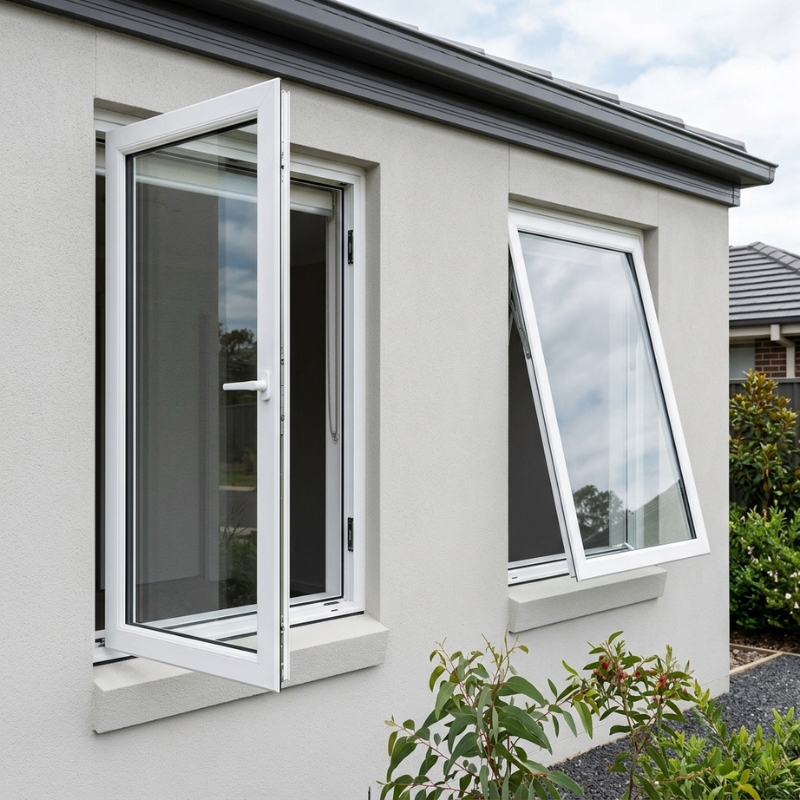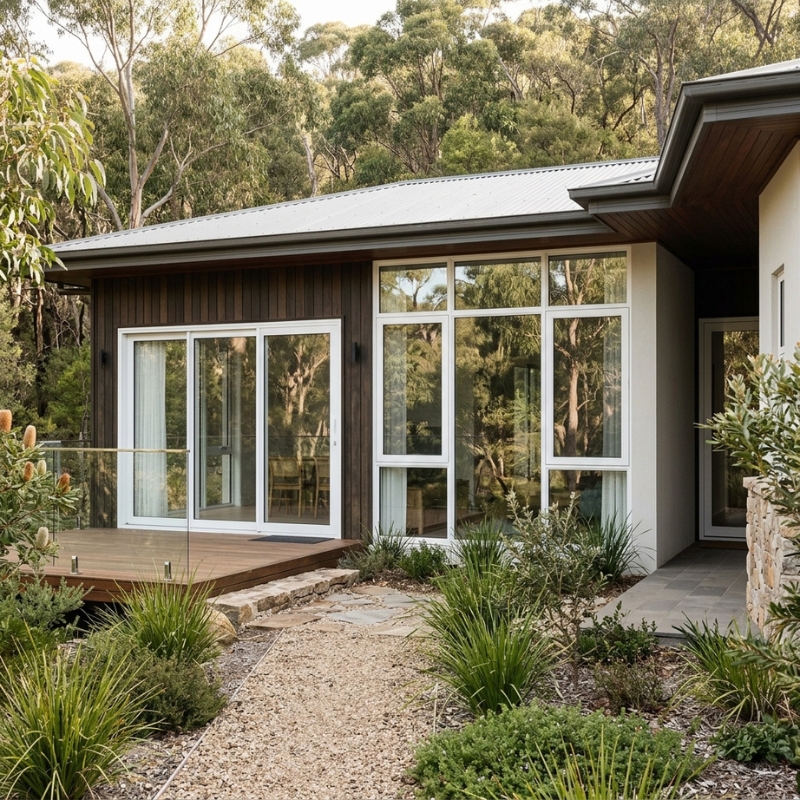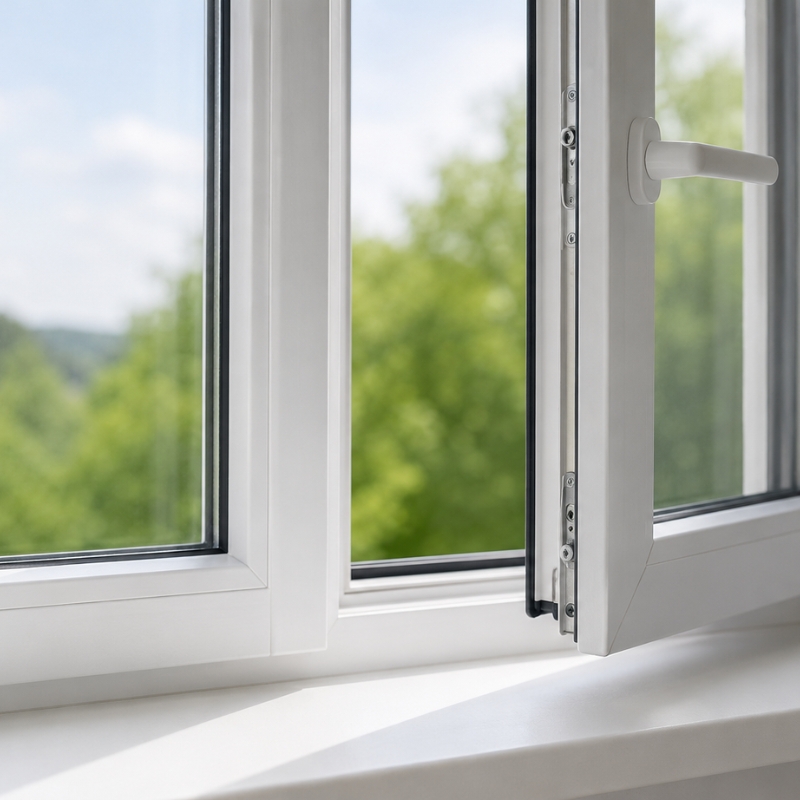

Salt-laden sea breezes in Wollongong, frosty winter mornings in the New England highlands and sweltering summer afternoons in western Sydney all place very different demands on a window. That is why many homeowners researching new uPVC casement window options quickly arrive at the next question: should I invest in double-glazing or step up to triple-glazing?
This guide breaks down the performance differences, climate considerations and real-world pros and cons of each option so you can make a confident decision for your particular corner of NSW.
1. Glazing Basics: How Additional Panes Change Performance
Before diving into climate zones, let’s recap what each configuration actually involves and why the extra glass matters.
Air (or Gas) Gaps Do the Heavy Lifting
• Double-glazed units use two panes separated by a sealed space, typically 12-20 mm, filled with still air or an inert gas such as argon.
• Triple-glazed units add a third pane, creating two separate gaps.
These gaps slow down heat transfer, cut condensation risk and dampen sound vibration. The wider the gap (within limits) and the more panes, the greater the insulation value.
Typical Performance Numbers
U-value (how much heat flows through a product) drops as you add panes:
| Configuration | Typical Centre-of-Glass U-Value (Lower = Better) | Noise Reduction Improvement vs Single Pane |
| Modern double-glazed, argon fill | 1.1 – 1.4 W/m²K | 25–30 dB |
| Triple-glazed, argon fill | 0.7 – 0.9 W/m²K | 30–35 dB |
2. Coastal NSW: Battling Salt, Wind and Humidity
Living within a few kilometres of the ocean brings unique challenges.
Why Double-Glazing Often Provides the Sweet Spot
• Humidity control: Two panes with warm-edge spacers already slash condensation on mild winter mornings along the coast.
• Noise: Surf and traffic? A well-specified double-glazed casement easily meets most acoustic goals.
• Frame durability: uPVC resists salt spray better than un-coated aluminium, and the extra pane of triple-glazing rarely changes corrosion resilience.
When Triple-Glazing Can Be Worthwhile
• High wind exposure on clifftop homes where the third pane increases pane strength.
• Luxury builds chasing ultimate thermal comfort ratings for Green Star or Passive House targets.
Coastal takeaway: For the majority of Newcastle, Central Coast or Illawarra homes, high-performance double-glazing balances cost, weight and payback. Triple is a niche upgrade rather than a default must-have.
3. Inland & Elevated NSW: Managing Big Temperature Swings
From Tamworth’s crisp winter nights to Bathurst’s dry summer days, inland homes experience hotter highs and colder lows than the coast.
Where Triple-Glazing Shines
• Winter efficiency: Overnight lows well below 5 °C mean internal heat loss is a big energy drain. Triple-glazed uPVC casement windows can cut that loss by up to 30 percent versus double-glazing.
• Comfort near the glass: The inner pane stays noticeably warmer, reducing cold-edge draughts.
• Peak star ratings: BASIX assessments in cold zones C & D reward the lower U-values of triple units.
Double-Glazing Still Works for Moderate Inland Zones
If your region’s annual heating load is moderate and cooling dominates (e.g., Wagga Wagga’s hot summers), a well-specified Low-E double-glazed unit gives excellent year-round results without the extra cost and frame reinforcement triple glass can require.
4. Performance Face-Off: A Side-by-Side Comparison
The table below summarises how each glazing option stacks up against the most common homeowner priorities.
| Priority | Coastal NSW (e.g., Wollongong) | Inland Warm (e.g., Dubbo) | Inland Cool (e.g., Armidale Plateau) |
| Summer heat gain | Double: Good Triple: Very good |
Double: Good Triple: Very good |
Double: Good Triple: Very good |
| Winter heat loss | Double: Good | Double: Good Triple: Better |
Double: Fair Triple: Excellent |
| Acoustic control | Double: Adequate for most traffic noise Upgrade glass thickness if near a major freeway |
Double: Adequate Triple: Better for rail/airport zones |
Double: Adequate Triple: Better for rail/airport zones |
| Condensation risk | Low on both | Moderate—both suitable with good ventilation | Higher—Triple reduces cold-surface condensation |
| Upfront cost | Lower | Lower | Higher payback in very cold zones |
| Weight / hardware load | Manageable | Manageable | Heavier sashes may need upgraded hinges |
5. Common Mistakes NSW Homeowners Should Avoid
Mistake 1 – Focusing on Glass Only
Ignoring frame performance can undermine the extra panes. uPVC’s low thermal conductivity keeps the whole unit performing as a system.
Mistake 2 – Over-specifying Without Checking ROI
Triple-glazing in mild coastal climates often extends payback periods beyond 15 years. Calculate projected heating/cooling savings before you leap.
Mistake 3 – Forgetting Ventilation Planning
Tighter seals mean stale air if fresh-air strategies aren’t integrated. Consider trickle vents, cross-flow design or mechanical ventilation.
6. Decision Framework: Questions to Help You Choose
Ask yourself the following before signing a contract.
- What is my local climate zone in BASIX or NCC terms?
- Do I feel cold draughts when sitting near current windows in winter?
- Am I within 100 m of a main road, rail line or flight path?
- Will the extra sash weight of triple-glazing require structural or hardware upgrades?
- Am I targeting specific star ratings or Passive House certification?
- How long do I plan to stay in the property, and does the payback horizon fit?
If several answers point toward higher insulation, triple-glazing merits closer cost analysis. If not, energy-smart double-glazing paired with quality energy performance differences between aluminium and uPVC frames may deliver similar comfort gains at a lower outlay.
7. Compliance and Ratings: What NSW Rules Expect
The National Construction Code (NCC) and BASIX set minimum thermal performance levels for new builds and major renovations. According to the Australian Government YourHome glazing guide, U-value and Solar Heat Gain Coefficient (SHGC) targets vary by climate zone. uPVC casement windows with double-glazing typically achieve U-values under 1.4 W/m²K—well ahead of minimums. Triple-glazing pushes the number below 1 W/m²K, giving additional BASIX points where heating loads are high.
8. Installation Quality Matters More Than an Extra Pane
Even the best glass cannot cancel gaps around the frame.
Key Checks at Installation
• Continuous perimeter sealing tape or expandable foam for airtightness.
• Correct packers to prevent frame distortion.
• Sash reveal square and plumb so compression seals operate properly.
• Drainage pathways clear of debris after the job finishes.
A high-performance triple-glazed unit poorly installed can leak more energy than a perfectly fitted double-glazed unit.
9. Maintenance Snapshot: What Changes with More Panes?
uPVC itself is virtually maintenance-free. The difference between two panes and three comes down to the sealed unit.
| Task | Double-Glazed | Triple-Glazed | Notes |
| Cleaning outer faces | Same frequency | Same | Use mild detergent, soft cloth |
| Checking seals | Yearly visual | Yearly visual | Look for condensation between panes |
| Hardware lubrication | 12-monthly | 12-monthly | Triple panes weigh more—use quality hardware |
| Replacement cost if seal fails | Lower | Higher | Failure rates remain low in modern units |
10. Final Thoughts
For most coastal NSW homes, advanced Low-E double-glazed uPVC casement windows tick the boxes of comfort, noise reduction and value. Inland areas with prolonged cold snaps or premium builds chasing ultra-low energy bills can justify the heavier upfront investment of triple-glazing.
Whichever path you choose, prioritise certified window energy ratings, skilled installation and whole-house ventilation planning. Doing so delivers the real-world comfort, energy savings and quiet you are looking for long after the tradies have packed up.
FAQs
- Does triple-glazing make my home too airtight?
Modern uPVC casement windows include adjustable hardware and can be fitted with trickle vents. Airtightness boosts efficiency; controlled ventilation maintains healthy indoor air. - Will I need bigger window frames for triple-glazing?
Not necessarily. Many uPVC systems allow thicker glazing within the same outer frame profile, though sash sections and hinges may be beefed up to handle the weight. - How long does the gas fill last in double or triple-glazed units?
Manufacturers design sealed units to maintain gas levels for decades. A small drop is normal over time; serious fogging between panes signals a warranty issue. - Is Low-E coating still useful on triple-glazed units?
Yes. Low-E improves performance by reflecting infrared heat, and it is standard on at least one pane in quality triple-glazed products. - Can I mix double-glazed windows on one side of the house and triple on the other?
You can. Some homeowners use triple-glazing on the south or west elevations that cop extreme weather while keeping double-glazing elsewhere to balance cost.
Soft next step (non-sales wording): If you continue to feel unsure after weighing climate, comfort goals and payback periods, discussing site-specific details with a qualified window professional can clarify which glazing level fits your home best.