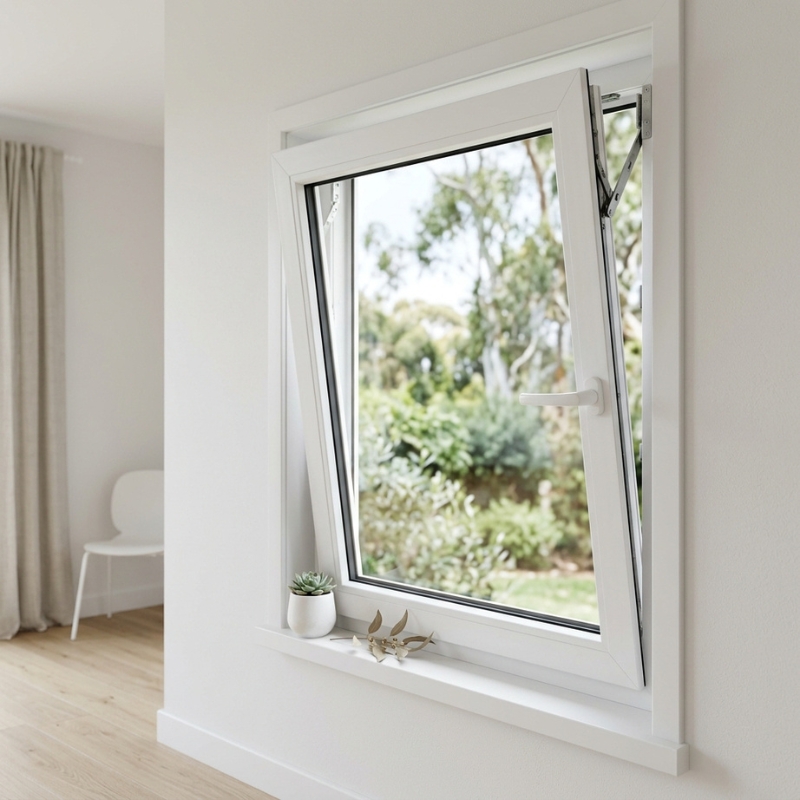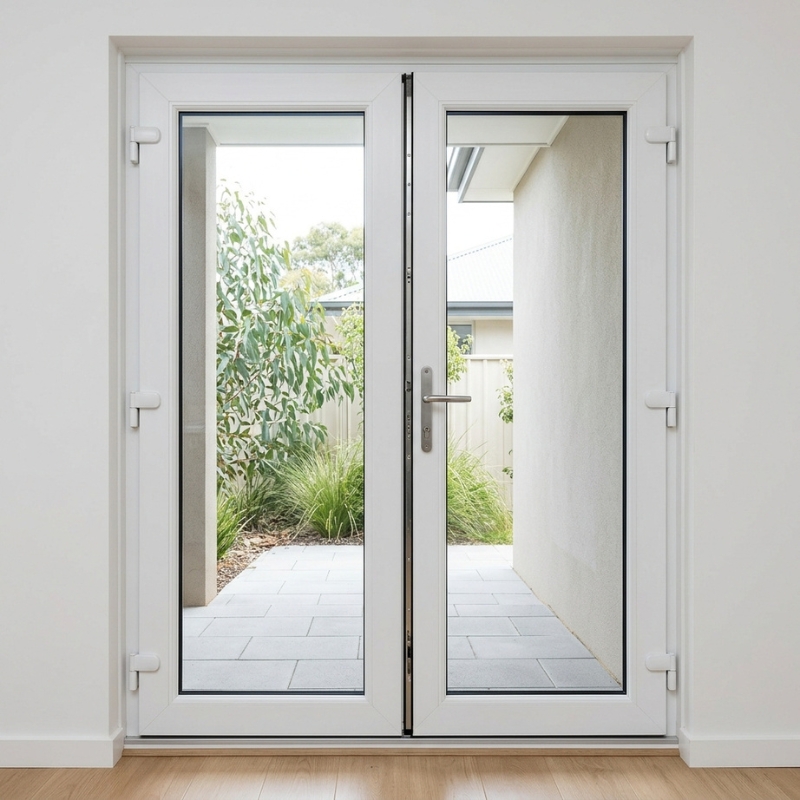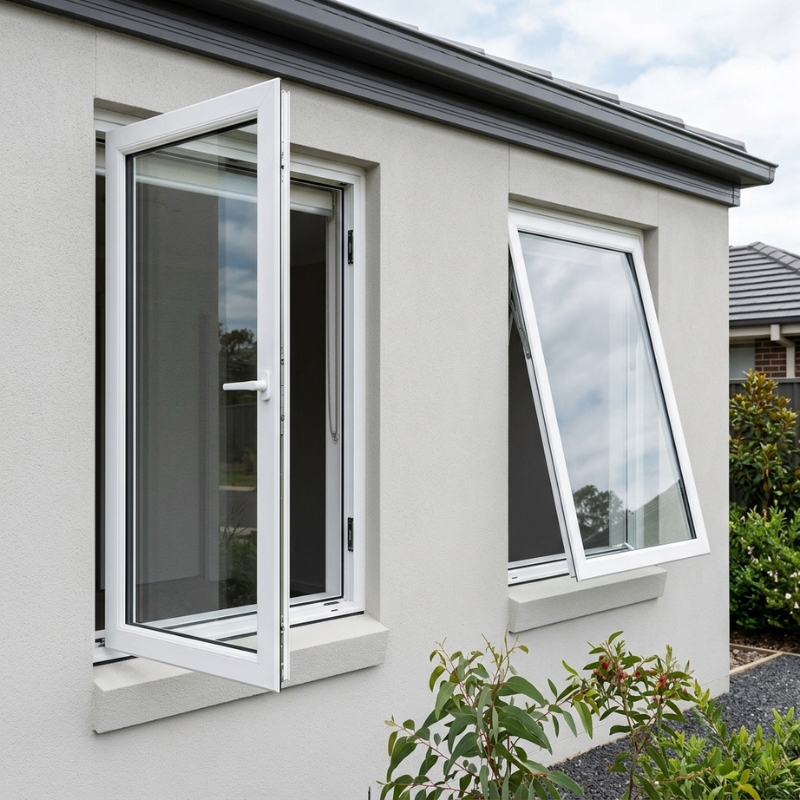
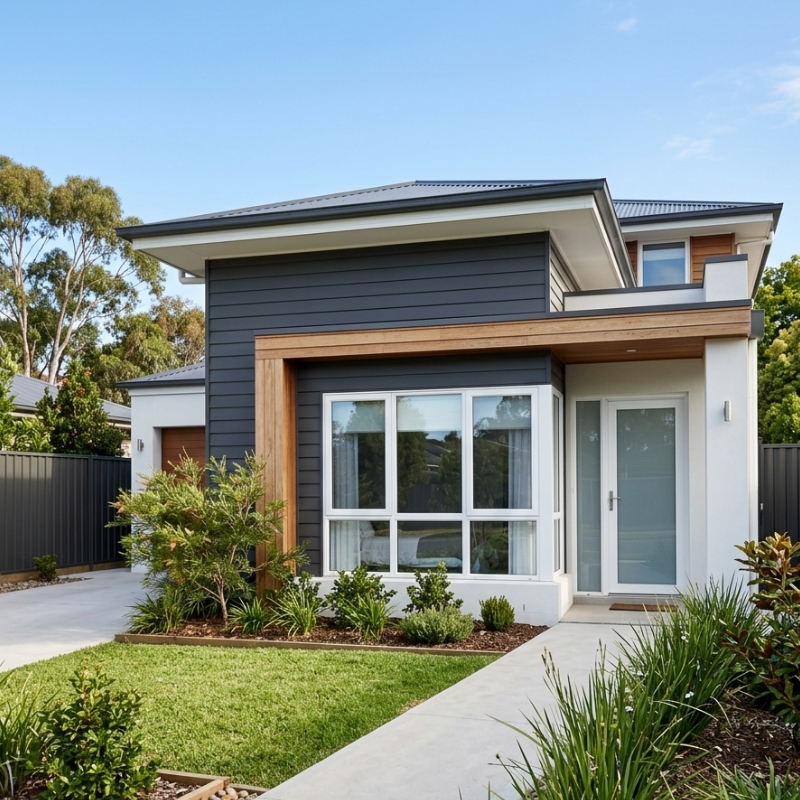
New South Wales homeowners juggle salty coastal air, hot western plains, and ever-stricter energy rules. A window or door frame that shrugs off that mix without constant sanding or repainting quickly wins fans. More than a decade of local installs shows one material outlasting the rest: uPVC window and door frames from uPVC Windows Expert. Their rise isn’t a passing trend; it’s a practical response to the climate, building codes, and household budgets that shape how we live today.
Why Maintenance Shapes Window Choice
Timber looks warm on day one, yet every five summers it needs sanding, sealing, and repainting. Powder-coated aluminium resists termites, though beachside oxidation eventually dulls the finish. For householders who would rather mow the lawn than paint frames, ongoing upkeep quickly becomes the deciding factor. In NSW’s cost-of-living crunch, the hours and materials tied up in frame maintenance carry real weight.
| Material | Repainting cycle | Seal replacement | Cleaning effort |
| uPVC | Not required | 15–20 years | Occasional wash with soapy water |
| Aluminium | 10–15 years for touch-up of powder coat | 10–15 years | Rinse and mild detergent; oxidation spots possible |
| Timber | 5–7 years for sanding and painting | 5–7 years | Clean and fully dry after rain to avoid swelling |
The table’s numbers draw on manufacturer guides and NSW trade feedback. They explain why a growing share of renovators choose a material that frees weekends for something better than scraping blistered paint.
Built-In Durability of Modern uPVC
Earlier generations of PVC could chalk or yellow, leading to myths that linger today. Contemporary profiles sold in Australia carry titanium dioxide for UV stability, internal steel reinforcement, and multi-chamber cavities that cope with 40 °C heat without warping. Testing to AS 2047 confirms compliance with wind pressure on coastal high-rise sites, while BAL-rated options protect dwellings on the fringes of the Blue Mountains.
Installers report that the compression seals fitted at the factory return to shape even after a decade of window use. That small detail means draughts stay out, and energy bills stay down, with no homeowner intervention beyond an annual latch check.
Everyday Care Is Simple
Cleaning routines read more like car washing than heritage-home restoration. Grab a bucket of lukewarm water, add a dash of mild detergent, wipe the frame with a soft cloth, and rinse. No solvent-based cleaners, wire brushes, or abrasive pads. The material’s smooth finish means pollution film and red dust struggle to stick in the first place.
Sliding sashes and door rollers benefit from a quick vacuum of the track every six months, especially in beach suburbs where sand builds up. A silicone-based spray on hinges once a year finishes the job. Most households knock it over in half an hour, a far cry from the weekend-long sanding that timber demands.
For readers weighing glass upgrades, the company’s blog on uPVC sliding doors energy efficiency insights dives deeper into sealing performance and thermal values.
Long-Term Costs Add Up
Materials only tell half the story; labour and disruption tip the scales. A carpenter repainting twelve timber windows can easily spend two full days on preparation alone. Factor in scaffolding hire for a two-storey façade, paint at $80 a tin, filler, sanding discs, and the bill climbs quickly. Repeat that every few years and the gap between an initially cheaper timber frame and a uPVC one closes fast.
Aluminium sits in the middle. Powder coat resists peeling, yet coastal oxidation often forces owners to acid-etch and recoat sections within 15 years. Because a full colour change is near-impossible without disassembly, fashion-driven renovators find themselves locked into yesterday’s palette.
uPVC eliminates repainting outlay entirely. Owners still budget for hardware tune-ups—new rollers or handle springs every decade—but those jobs are minor. Strata committees in Parramatta high-rise blocks have already spotted the savings, shifting bulk replacement programs toward uPVC to sidestep future levy spikes.
Real-World Performance in NSW Climate
Western Sydney heatwaves push glass surfaces over 60 °C. The multi-chamber design inside uPVC profiles slows that heat moving indoors. In winter, the reverse happens, keeping warmth inside brick veneer homes in Orange or Goulburn where minus temperatures bite. Home Energy Rating System (NatHERS) assessors often record a full star jump when aluminium frames are swapped for low-e double-glazed uPVC, even before roof insulation is touched.
Bushfire Attack Level compliance used to be a sticking point, yet BAL-29 certified uPVC products are now routine. They incorporate self-extinguishing vinyl compounds plus external screening that satisfies council certifiers. That opens the door—literally—for homeowners in semi-rural fringe developments to enjoy both low upkeep and mandated safety.
The Sustainability Question
PVC production once carried a stigma, but lifecycle studies by the Vinyl Council of Australia show modern formulations can be recycled up to seven times with minimal performance loss. Off-cut regrind from local fabrication plants in Smithfield heads straight back into new profiles. Combine that with the decades-long service life and the embodied carbon per year of use stacks up well against aluminium smelted from bauxite.
For households pursuing green-loan rebates, improved airtightness from uPVC frames often shaves kilowatt-hours off heating and cooling loads, assisting in meeting lender criteria. The NSW Government guide to energy-efficient windows outlines how frame selection influences those metrics.
Final Word
A decade of field data across coastal, suburban, and inland NSW homes points one way: uPVC frames cut maintenance to a wipe-down and a spray of silicone, saving both cash and weekends. They withstand UV, salt, and temperature swings, all while lifting thermal performance to meet tougher building standards. For homeowners nearly ready to book a quote, the case for sticking with higher-maintenance timber or oxidation-prone aluminium keeps shrinking.
The next step is simple: list every chore your current windows demand, cost the hours and materials honestly, and weigh them against the low-touch routine uPVC offers. Chances are you will end up with more leisure time and a snugger home for years to come.