
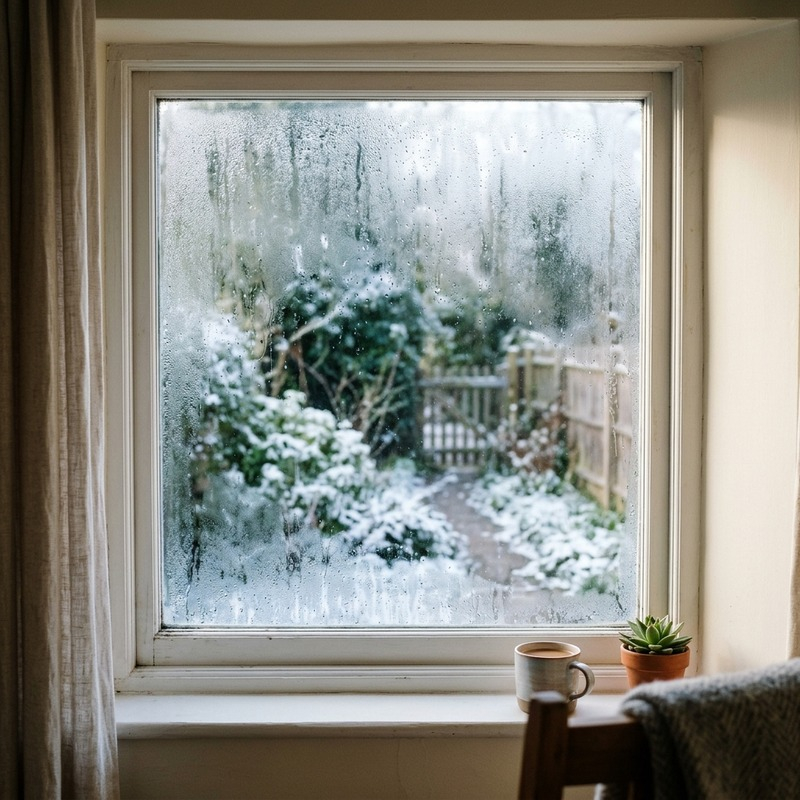
The short answer is that you stop it by changing the balance between three things: how much moisture you put into the air, how much of that moisture you let out again, and how cold the glass gets overnight. Get any two of those moving in the right direction and the problem largely disappears. So when people ask me how to stop condensation on windows in winter, I do not start with the windows at all. I start with the laundry, the bathroom fan and the bedroom door, because that is where most of the water is coming from. The glass only enters the conversation when the surface temperature is the limiting factor, which is the gap that properly specified high performance double glazing is designed to close.
This article is the practical half of the story. If you are still working out whether your condensation is interior, exterior or trapped inside the glass unit, read our guide on what causes condensation on windows first, because the fix depends on the diagnosis. Here I will assume you have interior condensation on cold mornings and you want it gone.
Find the moisture before you fight it
Every NSW winter I meet households doing battle with their windows while a clothes horse full of wet washing sits in the lounge room. Drying laundry indoors is the single largest avoidable moisture source in most homes, and all of that water has to leave the fabric and go into your air before it can land on your glass. Long showers, pots simmering without a lid, indoor plants in quantity and a crowded house on a cold night all contribute. Unflued gas heating deserves a special mention because it releases water vapour as a product of combustion, so the appliance warming the room is also wetting it.
Spend a week noticing rather than fixing: which rooms mist first, at what time, and what happened in that room beforehand. The pattern usually hands you the answer, and removing a moisture source is almost always easier than managing its consequences.
Vent at the source, not after the fact
Moisture is easiest to deal with where it is created. Run the bathroom extraction fan before you turn the shower on and leave it going well after you get out, with the door closed so it pulls from the room rather than the hallway. Check where that fan discharges, because one terminating in the roof space is not removing moisture from the building, it is relocating it somewhere you cannot see. Use a rangehood that vents outside, keep lids on pots, and vent the dryer outdoors or use a condenser model. If washing has to dry inside, keep it in one room with the door shut and a window cracked.
Air the house properly, briefly and often
Short, decisive airing beats leaving a window ajar all day. Opening windows on two sides of the house for a few minutes creates a cross draught that swaps humid indoor air for drier outdoor air quickly, and because the building fabric stays warm, the room recovers its temperature faster than you expect. Doing this in the morning, after showers and after cooking shifts more moisture than hours of a single window slightly open.
Bedrooms are the room to watch. A closed door overnight traps everything you exhale in a small volume of air next to the coldest surface in the room. Leave the door open where you can, or air the room out properly first thing, and pull furniture away from external walls so air can move behind it.
Ventilate without throwing away your warmth
The objection I hear constantly is that opening up in July undoes the heating, and in the colder parts of the state that is fair. The answer is controlled ventilation rather than all or nothing. An opening style that lets you set a narrow, secure gap at the top of the window gives you a steady trickle of air exchange without a cold draught across the floor, and that is what tilt and turn windows are built to do in their inward tilting position. Ceiling fans run slowly in reverse help too, by pushing warm air down off the ceiling and keeping it moving across cold surfaces.
Trickle ventilation and background airflow
Background ventilation is the quiet version of all this. A small, adjustable opening lets a low volume of air move continuously, which keeps indoor humidity from climbing overnight without you having to think about it. Trickle vents built into a frame do this, and so does a window left slightly open in a weather-protected position, which is where a top-hinged sash that opens outward and sheds rain away from the gap helps. That is a natural fit for awning windows, which can stay cracked in light rain without water tracking inside. Background airflow will not rescue a house generating a great deal of moisture, but with source control it takes the edge off the worst mornings.
Where a dehumidifier earns its keep
A dehumidifier is a legitimate tool, not a confession of failure. It is most useful in a closed room with a known moisture load: the room where washing dries, a bathroom without effective extraction, or a bedroom that mists every night regardless. Put it in that room with the door shut and let it run through the wettest part of the day. What it will not do is fix an open-plan house with an unaddressed source, because it will spend its life pulling moisture out of air that is being rewetted at the same rate.
Heat steadily rather than in bursts
Condensation is as much about surface temperature as humidity. A house heated hard in the evening and then allowed to go cold overnight gives you warm, moist air meeting rapidly cooling glass, which is the worst combination. Gentler, more consistent heating keeps the glass and reveals above the dew point for longer. Heavy curtains matter more than people think, because they keep heat off the glass, so the pane runs colder and the air behind the fabric gets damper. Leaving curtains slightly open at the bottom makes a real difference in a bedroom.
When the window itself is the cause
Sometimes the household habits are sound and the glass is still streaming. That points at the window. A single glazed pane in a conductive frame can sit so far below room temperature on a cold NSW night that no realistic indoor humidity level stays above its dew point, and you are then managing an inevitability rather than solving a problem. Worn seals and gaps that let cold air track around the frame create cold spots that mist while the rest of the glass stays clear, and blocked drainage channels turn manageable condensation into standing water. Misting sealed inside the glass unit is a separate matter again, and no amount of ventilation will touch it. If the pattern survives genuine source control and genuine airing, look at what the opening itself is doing.
If you have done the work on moisture and ventilation and the glass is still telling you otherwise, the team at uPVC Windows Expert can help. Contact us to talk it over.
Frequently Asked Questions
Why is there condensation on the outside of my windows?
Because the outer face of the glass has cooled below the dew point of the outdoor air, usually overnight under a clear sky with damp, still air. It indicates that very little heat is escaping through the glazing to keep that surface warm, so it points to good thermal performance rather than a fault, and it clears once the sun reaches the window.
Does a bowl of salt stop condensation?
Not in any meaningful way. Salt and similar desiccants absorb a very small amount of moisture from the air immediately around them, which is why they work inside a sealed container, but a bowl in a room is working against air that is continuously replenished and rewetted. Fifteen minutes of cross ventilation will achieve far more.
Will a dehumidifier help with condensation on windows in winter?
Yes, in the right setting. In a closed room with a defined moisture source, it lowers humidity enough to keep the air above the dew point of the glass and the condensation eases. In a large, open, draughty space, or while laundry is still drying nearby, it will struggle to keep up. Pair it with source control rather than relying on it alone.
Do trickle vents stop condensation?
They help, and they rarely solve it on their own. A trickle vent provides continuous background air exchange, which slows the overnight climb in indoor humidity and reduces how often you reach the dew point of the glass. If your moisture load is modest, that can be enough. If washing is drying indoors, the vent will be overwhelmed and the source has to be dealt with first.