Double glazing is a bigger upfront spend than standard windows, so it’s completely reasonable to ask whether it’s actually worth it. The honest answer, for most NSW homes, is yes, though it depends on your situation. At uPVC Windows Expert, we fit double glazed windows and doors across NSW, and we’d rather give you a balanced picture than a sales pitch. This guide looks honestly at what double glazing does, the real benefits for NSW conditions, the genuine downsides, and when the upgrade is most worthwhile, so you can decide with your eyes open.
| Quick answer
For most NSW homes, double-glazed windows are worth it: they cut heat transfer, reduce outside noise, improve comfort year-round and lower energy use, while uPVC frames add insulation and need almost no maintenance. The payback depends on your climate zone, energy use and how long you stay, but the comfort gains are immediate. |
What does double glazing actually do?
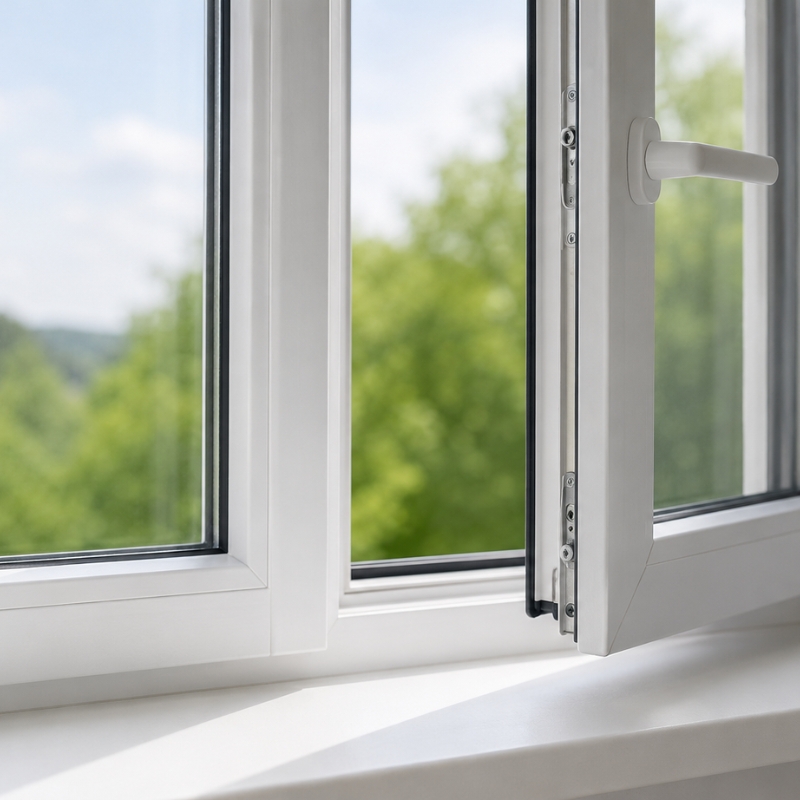
Double glazing means two panes of glass with a sealed cavity between them, and that simple change does several things at once. The cavity slows the transfer of heat, so less warmth escapes in winter and less heat pushes in during summer, which keeps indoor temperatures steadier. It also dampens sound, reducing the outside noise that gets through, from traffic to neighbours. Because the inner pane stays closer to room temperature, double glazing reduces the condensation that forms on cold single-glazed windows, which helps with damp and mould. And two panes, particularly with toughened or laminated glass, are simply harder to break through than one, adding a measure of security. Paired with an insulating uPVC frame, the whole window performs as a system rather than just a sheet of glass, which is where the real difference comes from.
What are the real benefits for NSW homes?
NSW throws a lot at a window, and double glazing helps with most of it. Our hot summers are where many homeowners notice it first: rooms that used to bake behind west-facing glass stay noticeably cooler, easing the load on air conditioning. Inland and in the tablelands, cold winters work the other way, and double glazing keeps that hard-won warmth inside. In busy suburbs and near main roads, the noise reduction is a genuine day-to-day comfort, and coastal homes benefit from both insulation and the low maintenance of uPVC against salt air. For homes on the bushland fringe, double glazing also pairs with higher fire specifications, and our BAL-40 bushfire-rated windows are built for those exposed sites. Whatever your corner of NSW, the common thread is comfort: a home that holds its temperature, keeps the noise out and feels better to live in year-round.
What are the honest downsides?
It wouldn’t be a fair guide without the trade-offs. The main one is upfront cost: double glazing is a bigger initial spend than basic single glazing, and that’s a real consideration, even if the running-cost and comfort benefits offset it over time. Retrofitting existing openings can also add complexity, since older homes don’t always have standard-sized or perfectly square openings, which is something we assess when we measure. And there’s a choice to make around glass, because the right specification, whether standard, acoustic or bushfire-rated, depends on the room, which means a little more thought than simply ordering windows. None of these are reasons not to go ahead, but they’re worth knowing, and being upfront about them is part of helping you make the right call rather than a rushed one.
When is double glazing most worth it?
Double glazing is worthwhile for most homes, but there are situations where it’s a genuine no-brainer. Sun-facing rooms, especially west-facing living areas that overheat in summer, benefit enormously, as do rooms on busy or road-facing sides of the house where noise is an issue. If you live in a noisier suburb, near a main road, a train line or a flight path, the acoustic gains alone can justify it. Energy-conscious households that run heating and cooling a lot will feel the difference in comfort and running costs, and anyone renovating should seriously consider it while the walls and openings are already being worked on, since it’s far easier to include then than to retrofit later. A dual-action option like uPVC tilt and turn windows can add flexible ventilation on top. If several of these describe your home, double glazing is very likely worth it.
uPVC vs aluminium frames: why the frame matters
It’s easy to focus on the glass and forget the frame, but the frame does a lot of the work. Aluminium is strong and slim, but the metal readily conducts heat, so an aluminium frame can undo some of the benefit of good glass unless it’s thermally broken. uPVC, by contrast, is naturally insulating: its multi-chamber profile traps air and resists heat transfer, so the frame supports the glass rather than working against it. uPVC also needs almost no maintenance, never rusts and won’t rot or warp, and it seals tightly for better insulation and noise reduction. As a uPVC-only specialist, that’s the system we build, precisely because the frame and glass together are what deliver the comfort double glazing promises. Choosing double glazing in a poorly insulating frame is a false economy; the two need to work as a pair.
Frequently asked questions
Do double glazed windows really reduce noise?
Yes. The two panes and sealed cavity dampen sound, noticeably reducing outside noise like traffic and neighbours. For homes near busy roads or in noisier suburbs, acoustic glass can reduce it further. It won’t make a home silent, but the difference is real and is one of the benefits homeowners notice most.
Are double glazed windows worth it in Sydney’s warm climate?
Often, yes. In warm areas the benefit is mainly keeping summer heat out, so sun-facing and west-facing rooms stay cooler and air conditioning works less hard. You also gain noise reduction and lower condensation. The comfort gains are immediate, even where winters are mild, which is why many Sydney homes still find it worthwhile.
How long do uPVC double glazed windows last?
Quality uPVC double glazed windows are built to last for decades with very little maintenance, since uPVC doesn’t rot, rust or warp and needs no repainting. The sealed glass units are also long-lasting. While we won’t promise an exact number of years, they’re designed to be a long-term, low-upkeep investment in your home.
Do double glazed windows reduce condensation?
Yes, they usually reduce it. Because the inner pane stays closer to room temperature, it’s far less prone to the condensation that forms on cold single glazing, which helps with damp and mould around windows. Ventilation still matters, but double glazing removes a common cause of that morning fog on the glass.
Final thoughts
For most NSW homes, double glazing is worth it: the comfort, quieter rooms, steadier temperatures and lower running costs add up, and uPVC frames deliver it all with almost no upkeep. The upfront cost is real, but so are the year-round benefits, and they start the day the windows go in. If you’d like to see what it would mean for your home, book a free measure and quote for double glazed windows and doors and we’ll give you honest advice for your rooms.
| Book your free measure and quote
Wondering if it’s worth it for your home? Book a free measure and quote. Call uPVC Windows Expert on (02) 8747 0471. |