Why many renovators are drawn to awning windows
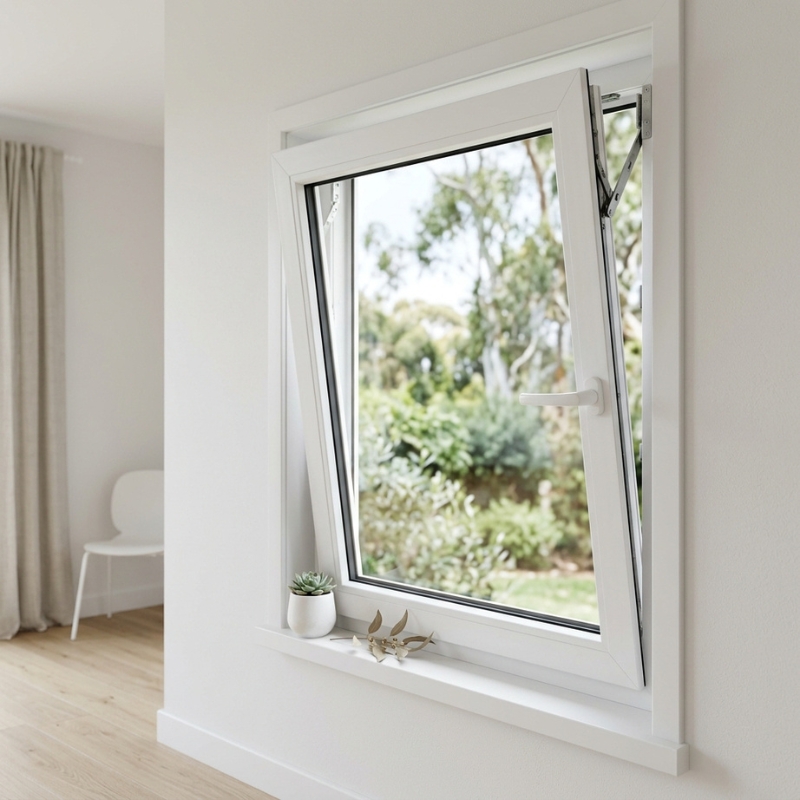
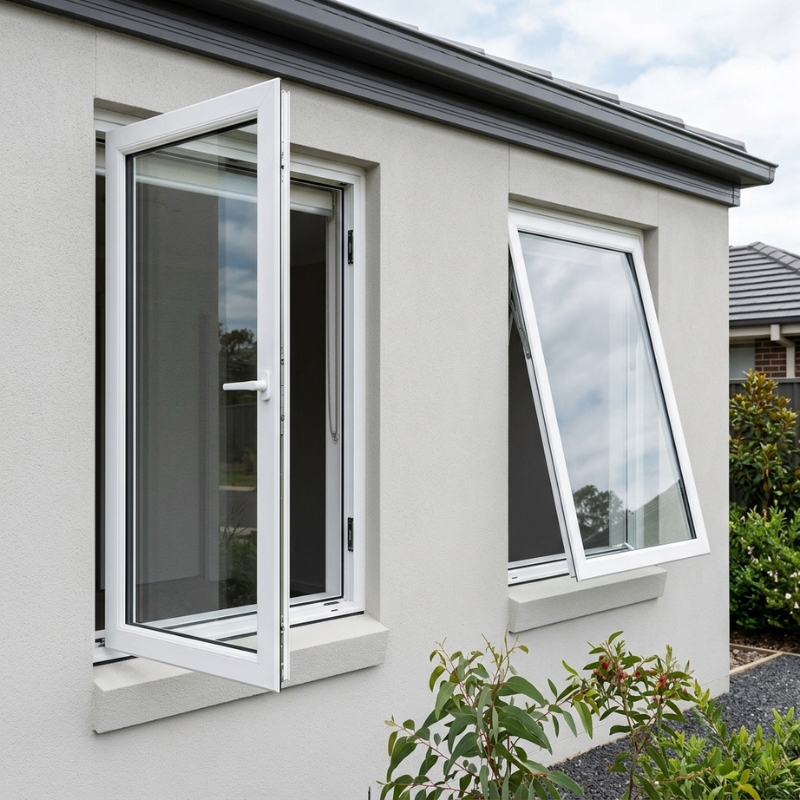
Across New South Wales, uPVC awning windows have become a talking point among homeowners planning a renovation or new build. The appeal is easy to spot: a single top-hinged sash that pushes outward creates a tidy weather shield, keeps light rain out, and still delivers fresh air. Pair that with the thermal benefits of uPVC frames and double glazing and you have a window style promising comfort without fuss. Before placing an order, though, it pays to check whether those promises match the realities of NSW’s varied climate zones, council rules and day-to-day living.
Early in the research journey, many readers land on our guide to uPVC awning windows for an overview of frame profiles and hardware. This article drills deeper into suitability: how the design interacts with wind loads on the coast, why bushfire ratings matter inland, and where awning windows shine—or struggle—compared with other opening types.
How the design handles NSW weather extremes
From salty sea spray in Wollongong to the dry westerlies that roll through Dubbo, NSW throws plenty at a house. Awning windows counter those forces in three useful ways.
- Drip edge effect
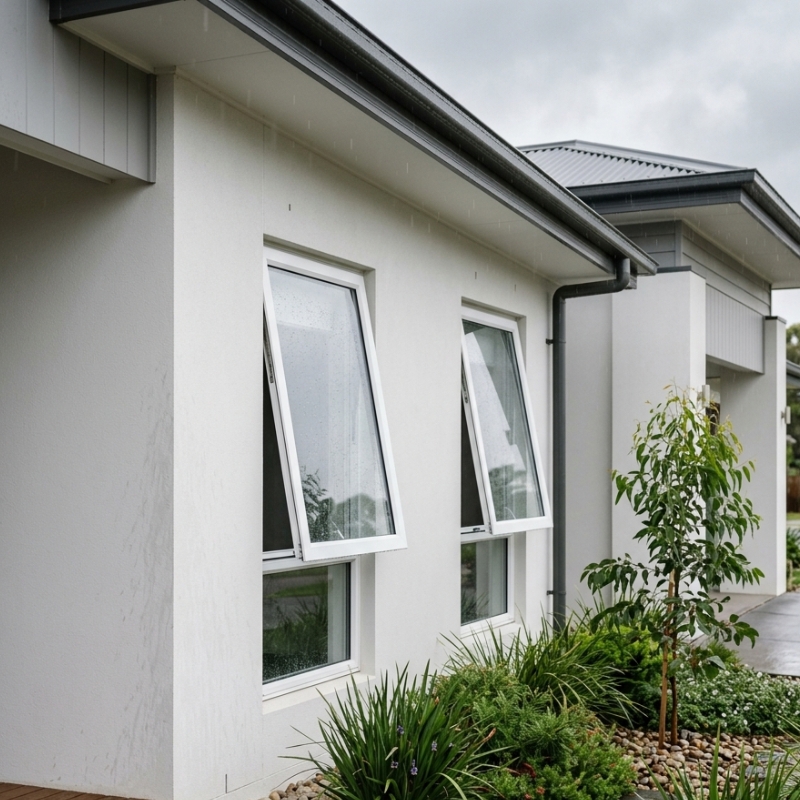
Because the sash leans away from the frame, light rain hits the outside surface and runs off without forcing its way inside. In practical terms, a late-afternoon shower doesn’t mean rushing home to close every pane. - Positive sealing
Multi-point compression seals engage when the handle is locked, pressing the sash tight against the frame. Good-quality gaskets keep out dust blown across the Central West and prevent those “whistling” drafts that sometimes plague sliding windows during southerlies on the Illawarra escarpment. - Reinforced uPVC chambers
Modern uPVC profiles include steel or fibreglass inserts that stiffen the frame. This rigidity helps the sash resist coastal wind pressure without bowing, a concern that once limited older timber versions on high-rise balconies.
Not every site is a perfect fit, though. In exposed hilltop builds where wind predominantly drives upward, an awning panel can act like a small sail. Fixed lights or casements might perform better on those elevations. A reputable installer will run a wind-pressure calculation before signing off drawings rather than applying a one-size-fits-all rule, ensuring homeowners understand how installing awning windows adds comfort without compromising performance or safety.
Energy, noise and compliance factors that sway the decision
The 2023 changes to the National Construction Code tightened whole-of-house energy targets in NSW. Window selection now has a measurable impact on whether a project meets its NatHERS rating. Double-glazed uPVC awning units typically post low U-values (around 1.9–2.4 W/m²·K depending on glass) and favourable solar heat gain coefficients. Those numbers translate into reduced reliance on reverse-cycle air-conditioning—a relief during Sydney’s muggy February nights and Armidale’s frosty mornings alike.
Noise is the next concern on many call-out sheets. The compression seal that improves weather tightness also dampens airborne sound. For homes under a flight path—think Mascot to Kurnell—upgrading to a laminated inner pane pushes weighted sound reduction indexes into the mid-40s, cutting engine roar to a background murmur. Awning windows alone won’t recreate recording-studio silence, but they do outperform typical aluminium sliders by a noticeable margin.
In bushfire-prone shires, compliance adds another layer. BAL-rated awning units with stainless-steel screens satisfy BAL-29 and, with upgraded seals and glass, even BAL-40. It’s a simpler pathway than modifying bi-folds or louvres, which often require clunky external shutters. Just ensure hardware carries a current test report recognised by NSW Rural Fire Service assessors.
Day-to-day usability that often seals the deal
Beyond ratings and data sheets, liveability rules the verdict. Homeowners report three everyday wins once the windows are in:
- Ventilation while the rain settles
Reading a book during a summer storm without a towel under the sill is a small pleasure that stacks up over decades of use. - Easy reach from the kitchen sink
A crank handle or slim lever lets the sash clear the bench tap without gymnastics—a design quirk that explains why awnings dominate kitchen splashbacks in new builds. - Low-maintenance exteriors
UV-stable uPVC contains titanium dioxide, which resists chalking. Wiping frames with a neutral detergent twice a year keeps them looking factory-fresh, no sanding or repainting required.
Potential drawbacks deserve equal airtime. Awning sashes need perimeter clearance to open fully. Inward-opening security screens or protruding planter boxes can block that arc. They also extend over footpaths at ground level, so councils may restrict them on boundary lines in dense suburbs like Newtown. Checking the development control plan early avoids red-pen edits later.
Making an informed decision
Start by listing room-by-room priorities. South-facing bedrooms might value silent night-time airflow, while a street-front studio could need maximum noise attenuation. Match those priorities against the characteristics above rather than defaulting to a single window style across the entire plan.
Finally, read the fine print on warranties. Reputable suppliers back uPVC profiles for 10-15 years against warping and discolouration in Australian UV conditions and offer hardware coverage of at least five. A short warranty is an early red flag.
Installing the right windows is a long-term investment in comfort and running costs. Awning windows tick the boxes for many NSW homes, provided site exposure, bushfire zoning and clearance limits are factored into the plan. Spend the extra half-hour with your builder mapping those details now and you will likely enjoy decades of draught-free breezes without second-guessing the decision later.