Why Design Matters in NSW Homes
New South Wales households juggle humid coastal summers, crisp inland winters and a growing push for better energy efficiency. The way a window opens, seals and locks has a direct impact on indoor temperature, air quality and peace of mind. uPVC tilt and turn frames bring a dual-action hinge that tackles all three challenges at once. Homeowners exploring uPVC tilt and turn windows in NSW usually arrive here after spotting condensation, feeling draughts around ageing timber sashes or worrying about opportunistic break-ins. Understanding how the hardware works clarifies why this European concept adapts neatly to Australian conditions.
Comfort Through Insulation
uPVC is a non-conductive material, so it slows heat transfer compared with aluminium. Combine that frame with a multi-chamber profile and low-e double glazing and you can expect noticeable gains:
- Summer: indoor rooms stay several degrees cooler because the frame does not draw external warmth inside. Air-conditioning cycles less frequently, trimming power bills.
- Winter: interior glass warms quickly, which reduces cold down-draughts near the sill. Occupants sit closer to the window without reaching for a blanket.
Tilt and turn sashes also use a continuous compression gasket rather than sliding tracks. When the handle pulls the sash into the frame, the gasket forms an even seal around all four edges. The result is lower air infiltration numbers than most sliding or single-hung designs—handy in windy coastal suburbs from Wollongong up to Newcastle where salty gusts force their way through looser frames.
Smarter Ventilation Control
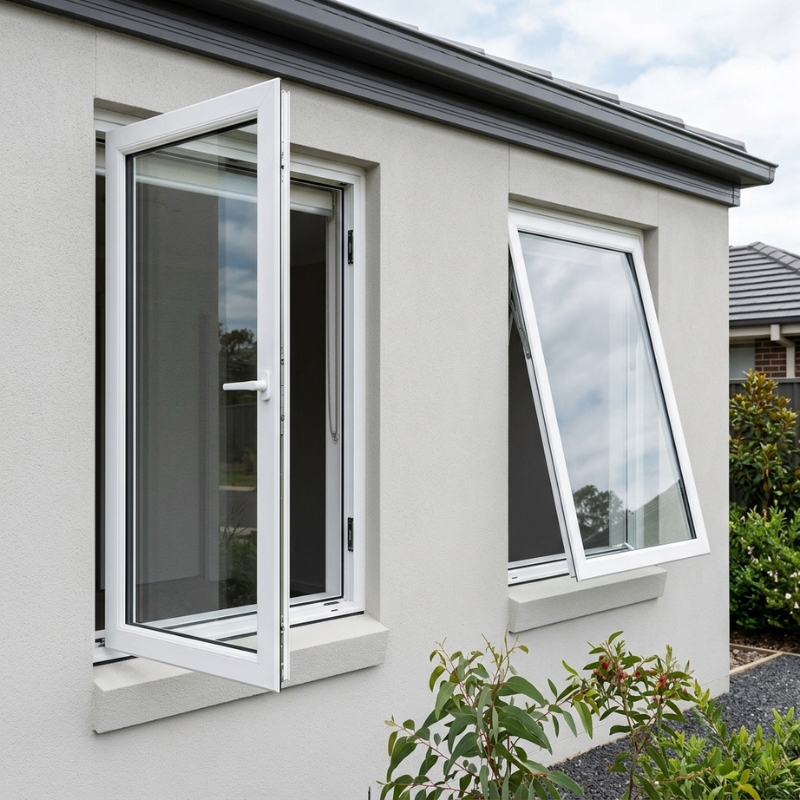
Traditional awning or casement windows rely on a single opening mode: fully outwards. That can trigger two common NSW headaches—rain blowing in during summer storms and security worries when occupants duck out. Tilt and turn hardware changes the conversation.
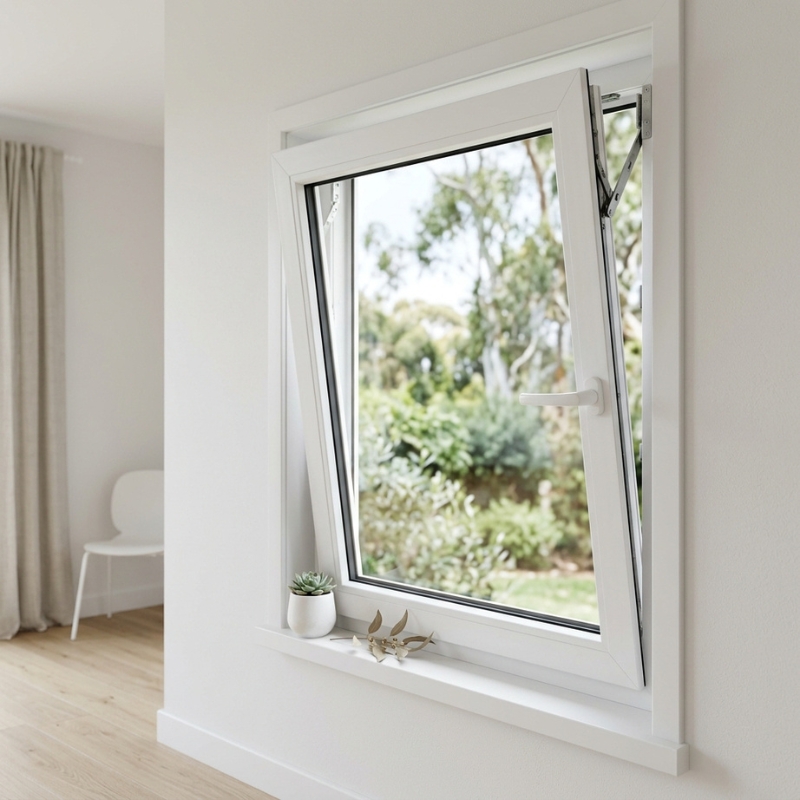
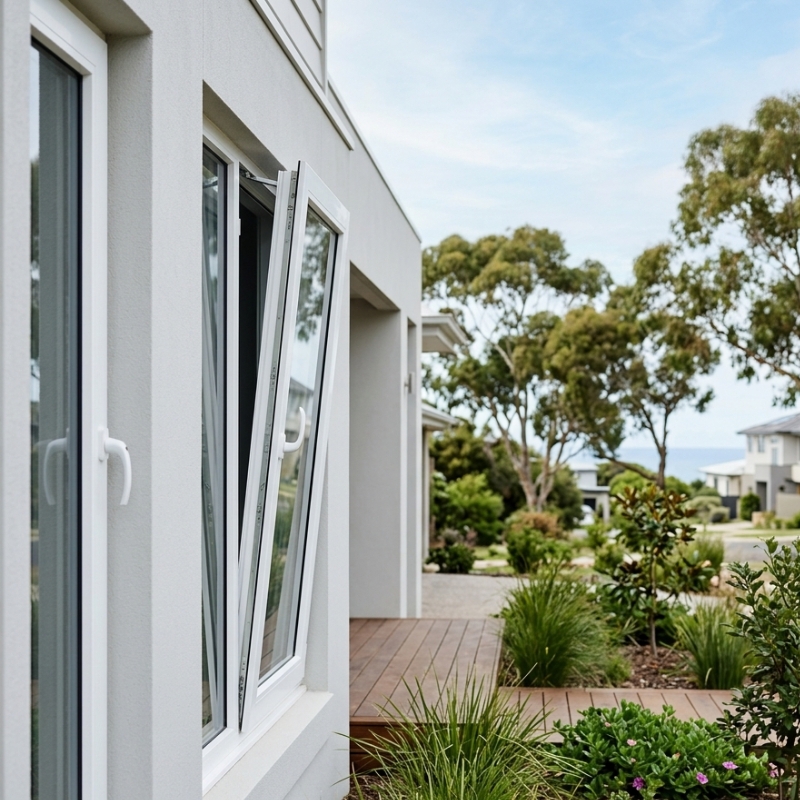
Tilt mode opens the top of the sash inward by roughly 100 mm. This slot venting releases stale air rising to the ceiling while drawing fresh air up from lower trickle vents or under-door gaps. Because the hinge is at the bottom edge, sudden showers roll down the exterior glass and drain outside rather than dripping onto the floor.
Turn mode swings the sash inwards like a side-hung door when rapid cross-ventilation is needed—useful during renovation dust removal or cooling a home after a baking January day.
Middle-aged brick veneers around Parramatta often hide damp bathrooms with limited exhaust capacity. Homeowners choosing energy-efficient uPVC solutions can see how the dual-function hinge solves moisture build-up without running an extractor all night.
Built-In Security Advantages
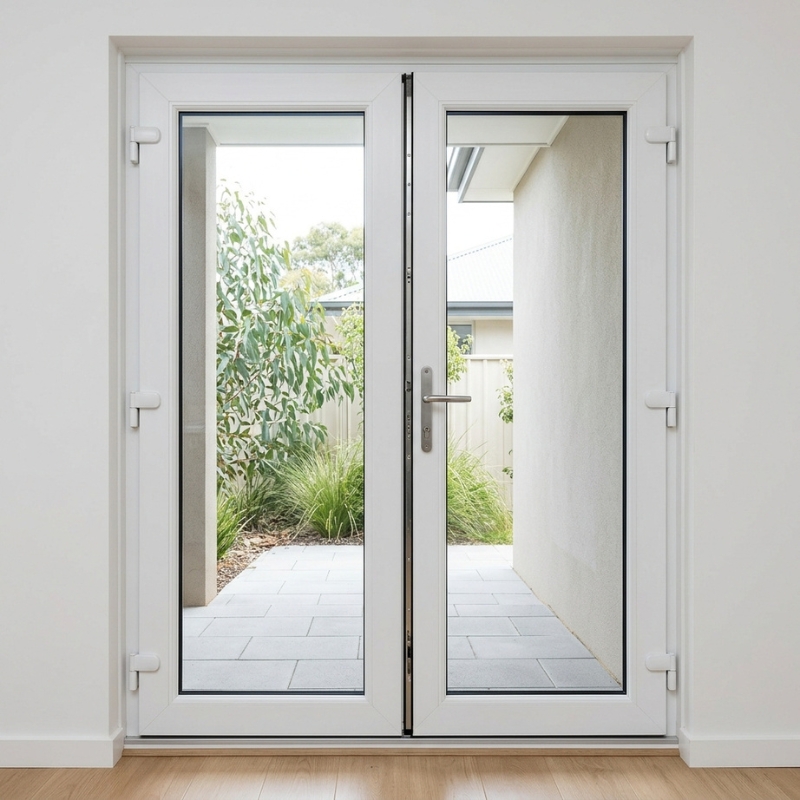
While comfort and fresh air drive most enquiries, personal safety frequently closes the sale. If you’re asking when you should replace old windows with uPVC tilt and turn windows, improved security is often one of the clearest signs it’s time to upgrade. Tilt and turn mechanisms employ multiple locking cams spaced along the perimeter. When the handle reaches the 6 o’clock position, pins engage steel keeps at several points instead of a single latch. That spreads force around the frame, making jemmy attacks far harder.
Australian Standard AS 2047 testing shows typical casement windows resist a 150 N lever attack. Multi-point uPVC gear comfortably exceeds that figure. Owners of ground-floor apartments in inner-city Newcastle appreciate being able to leave a bedroom sash on tilt overnight. The opening gap is narrow, the hinge side remains inside the room, and the hardware holds a locked status—so insurers do not class it as ‘open’.
Parents with toddlers note an extra advantage: the window limits fall risk because the gap is up high, not at the sill. No additional restrictor bar is necessary unless building code clauses dictate one for heights above two storeys.
Comparing Window Types
A quick side-by-side look clarifies why tilt and turn earns its reputation for versatility.
| Feature | Tilt & Turn | Sliding | Awning |
| Opening options | Tilt inwards for venting or swing in fully | One sash slides horizontally | Hinges at top, swings out |
| Air infiltration (lower = better) | ≈0.5 L/s m² | ≈2–3 L/s m² | ≈1 L/s m² |
| Rain protection while venting | Excellent in tilt position | Poor | Moderate |
| Cleaning from inside upper floors | Easy – rotate inwards | Difficult | Requires ladder |
| Multi-point locking | Standard | Optional upgrades | Single latch typical |
| Bushfire BAL-40 suitability* | Achievable with steel reinforcement | Usually exceeds frame limits | Achievable with correct seals |
*BAL rating depends on glazing thickness, ember guard mesh and seal type. Always verify specification against site assessment.
The table underscores a practical truth: tilt and turn addresses several pain points at once rather than excelling in only one metric.
Is Tilt and Turn Right for Your Renovation?
Up-front cost sits higher than a basic sliding window, yet long-term savings on energy and maintenance usually balance the ledger within a few years. uPVC never needs repainting, and the internal swing makes glass cleaning on second-storey façades less of an annual ordeal. For heritage terraces, note that reveal depths can differ from original timber framing; a slimline sash or custom trim may be required, so measure twice.
State government advice on window efficiency and glazing reinforces these benefits. The Australian Government guide to window energy ratings explains how non-conductive frames and tight seals contribute to NatHERS star targets now mandated in many NSW council approvals.
Homeowners weighing up a winter retrofit before the next rate hike should line up three items: a blower-door test to confirm leakage hotspots, a quote that lists Uw and SHGC values—not just glass thickness—and evidence of independently tested multi-point locks. Suppliers who offer written performance data, not vague marketing phrases, make it easier to secure Green Loans and council rebates where available.
Considering a Window Upgrade
A comfortable, well-ventilated and secure living space begins with the right frame. Tilt and turn uPVC designs compress several proven ideas—insulation, airflow control and intrusion resistance—into one tidy sash. When the existing windows rattle in a nor’easter or struggle against coastal corrosion, it may be time to inspect a sample unit firsthand and compare the handle action with yours. Written test results plus a touch-and-feel session usually clear the final doubts before placing an order.