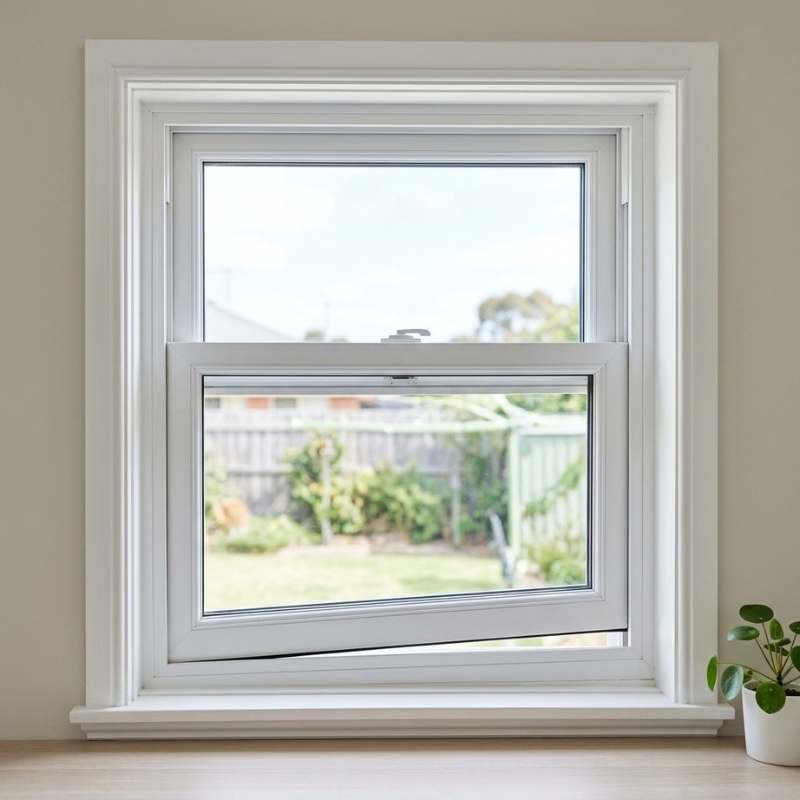
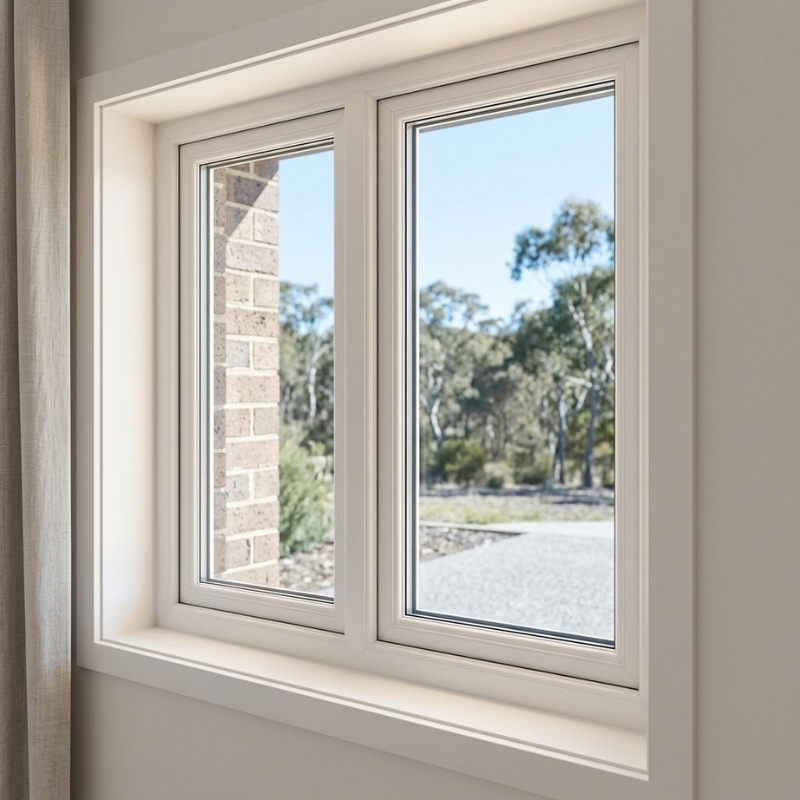
You have got two or three window quotes in front of you, each covered in numbers, and no clear way to tell which window is actually better. It is one of the most frustrating parts of a renovation, because the figures look technical and the salespeople all say theirs is the best. Here is the short version: the number that decides how a window performs is the U-value, and most of the rest is context around it. uPVC Windows Expert supplies and installs energy-efficient windows across New South Wales, and this article gives you a plain reading of each figure on a window energy rating, so you can line up your quotes and compare them properly. We will not quote you a figure for our own products here, because that belongs on a specification for your actual job, but you will finish knowing exactly which number to look for.
A window energy rating describes the whole window, frame and glass together. The figure that matters most is the U-value, which measures how fast heat passes through: the lower it is, the better the window holds a room’s temperature. Solar heat gain coefficient is the second figure, and the right number for it depends on which way the window faces.
What a window energy rating actually measures
The first thing to understand, and the thing most quotes gloss over, is that a window energy rating describes the whole window, the frame and the glass together, not the glass on its own. This matters more than it sounds, because people naturally focus on the glass and assume that is where the performance lives.
It is not. A window is a system, and it performs only as well as its weakest part. You can have an excellent sealed glass unit, but if it sits in a thin, poorly insulating frame, heat passes straight through the frame, and the whole window underperforms, regardless of how good the glass is. The frame can be a surprisingly large share of the total window area, especially on smaller windows, so a frame that conducts heat readily drags the whole rating down.
This is exactly why a rating for the glass alone can be misleading. A supplier can quote you an impressive figure for the glass and leave you to assume it describes the window, when the frame it is set in tells a very different story. When you read a rating, the question to keep asking is whether the figure describes the complete window as it will be installed, frame and glass as one unit, or just the pane. The whole-window figure is the one that reflects what you will actually feel in the room.
U-value, and why lower is better
The U-value is the single most important figure on the label, and the good news is it is simple to use once you know what it means. The U-value measures the rate at which heat passes through the window. A high U-value means heat moves through quickly, so the window lets warmth escape in winter and lets it pour in during summer. A low U-value means heat moves through slowly, so the window holds the room’s temperature far better.
So the rule is straightforward: the lower the U-value, the better the window insulates, and this is the single figure to compare directly between quotes. If everything else is equal, the window with the lower U-value is the better performer.
Here is a worked comparison to show how it works. Say Quote A (a hypothetical example, not our product) lists a window U-value of 5.0, and Quote B (also hypothetical) lists 3.0. The lower figure, Quote B, lets heat through more slowly, so it holds the room’s temperature better and works the heating and cooling less hard. Even without any other information, that one comparison tells you Quote B is the stronger-performing window on insulation. That is the power of the U-value: it reduces a confusing page of specs to a single, comparable number. Our double glazed uPVC windows and doors are built as a complete frame-and-glass system for exactly this reason, so the whole-window U-value reflects what you actually get.
Solar heat gain, and why it cuts both ways
The second figure to understand is the solar heat gain coefficient, or SHGC, and unlike the U-value there is no simple “lower is better” with this one, because it cuts both ways depending on your climate and which way the window faces.
SHGC measures how much of the sun’s heat the window lets through. A low SHGC blocks more of the sun’s heat, and a high SHGC lets more of it in. Whether you want a high or low figure depends entirely on orientation and climate.
Think about a west-facing room in a Sydney summer. It cops the harsh afternoon sun, and the last thing you want is a window letting all that heat in, so a low SHGC that blocks the solar heat is a real benefit there. Now think about a south-facing room in Orange or the Blue Mountains, where winters are cold. A window that blocks solar heat is working against you, because you would welcome the free warmth the winter sun brings in, so a higher SHGC that lets that heat through suits better. This is why the “right” SHGC is not a single number but a decision made window by window, based on which way each one faces and the climate it is in. A good supplier will talk to you about orientation rather than quoting one figure for the whole house.
Where WERS and NatHERS fit
Two acronyms come up a lot on this subject, WERS and NatHERS, and they are easy to muddle because they both relate to energy ratings but measure different things.
WERS, the Window Energy Rating Scheme, rates window products. It is the system that produces the U-value and SHGC figures for a specific window, so WERS is about the window itself. NatHERS, the Nationwide House Energy Rating Scheme, rates the whole dwelling, assessing how the house as a whole performs for energy, usually expressed as a star rating for the home.
The link between them is where it matters in practice. When a house is assessed under NatHERS, the assessor needs the performance figures for the windows going into it, because the windows are a major factor in how the whole house performs. So the window figures feed the house assessment. A builder or assessor working on your NatHERS rating will ask for the window performance data to put into it, which is another reason the window figures need to be clear and specific to the exact units being installed, rather than vague or glass-only numbers.
What to ask for when you compare quotes
Now that you know which figures matter, here is exactly what to ask each supplier for so you can compare quotes on equal footing:
- The U-value and SHGC for the exact frame and glass combination quoted. Not a general product-range figure, but the numbers for the specific unit on your quote, since the combination is what determines performance.
- The frame depth. A deeper frame generally has more room for insulation, so this tells you something about how the frame will perform.
- The chamber count. uPVC frames contain internal chambers, and more chambers generally mean better insulation, so ask how many the frame has.
- Whether the figures are for the window or for the glass alone. This is the big one. Confirm each figure describes the whole installed window, not just the pane, so you are comparing like with like.
Ask every supplier the same questions and you turn a pile of mismatched quotes into a clear comparison. If one supplier gives you whole-window figures and another gives you glass-only figures, you are not comparing the same thing, and sorting that out is what lets you judge the quotes honestly.
Reading the number that matters
Comparing window quotes feels impossible until you know which number to read, and then it becomes genuinely easy. Look to the U-value first, lower is better, and insist it describes the whole installed window rather than the glass alone. Factor SHGC against which way each window faces, and ask every supplier the same short list of questions so you are comparing like with like. Do that and the best-performing quote stands out clearly. Book a free measure and we will give you the U-value and the glass specification for the exact unit we are quoting.
Frequently Asked Questions
What is a good U-value for a window in Australia?
There is no single magic number, because what counts as good depends on your climate zone and the window’s orientation. The direction is what to remember: lower is better, since a lower U-value means the window insulates better and holds your room’s temperature more effectively.
Is WERS the same as NatHERS?
No. WERS rates the window product itself, producing the U-value and SHGC figures for a specific window. NatHERS rates the whole dwelling, assessing how the house performs overall. The window figures from WERS feed into the NatHERS assessment of the house.
Does the frame material change the rating?
Yes. The frame is part of the rated unit, not a separate thing, so it directly affects the window’s figures. A multi-chamber uPVC frame insulates better than a thin metal one because the chambers slow heat transfer, which improves the whole window’s rating.