

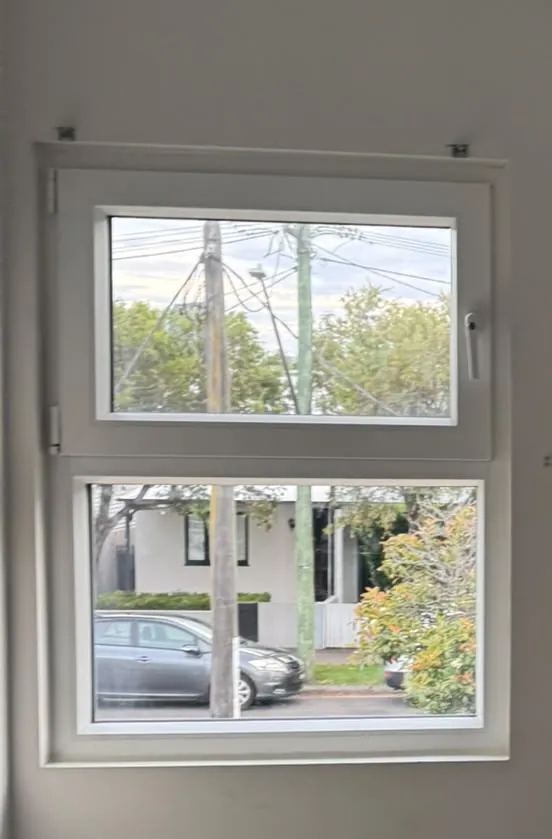
Nobody can make a window truly soundproof, and anyone who promises that is overselling. What you can do is reduce noise a great deal, and the right fix depends on two things: where the sound is getting in, and what kind of sound it is. A rattling sash on a quiet street needs a different answer from a bedroom over a bus route.
This guide works through the options in order of cost and effort, from sealing gaps to replacing the window, and ends with a table matching each fix to the noise it handles best.
Where Noise Gets In
Sound reaches a room through a window in two ways. It passes through the glass, which vibrates like a drum skin, and it leaks through gaps around the sash and the frame. Thin single glazing lets plenty through the first way; worn sliders and loose sashes let plenty through the second.
- Through the glass: thin panes vibrate easily, especially at the low rumble of trucks and trains.
- Through gaps: worn brush seals, shrunk timber and loose beads let sound straight in, especially higher pitched noise like voices and sirens.
- Around the frame: gaps between the frame and the wall, often hidden behind the architrave.
- Through other openings: vents, doors and thin walls can let in as much as the window.
Work out which it is before spending money. If the noise drops sharply when you press on the closed sash, gaps are a big part of the problem.
Quick Fixes: Seals and Gaps
Replacing worn seals and weather strips, adjusting sashes so they close tightly and sealing gaps between the frame and the wall are the cheapest improvements you can make. They help most with higher pitched sounds such as voices, dogs and sirens, which find their way through small gaps.
They will not do much for low rumble from heavy traffic, because that noise comes through the glass itself. Heavy curtains help a little in the room, but they mainly soften echo rather than stopping sound from outside.
Secondary Glazing
Secondary glazing adds a second pane on the inside of the existing window, usually in its own slim frame, leaving an air gap between the old glass and the new. Soundproof window inserts work on the same principle. A wide gap between two different panes is effective against noise, which is why secondary glazing can work well, particularly on heritage windows that cannot be changed.
The trade-offs are practical: you now have two windows to open and clean, the original window's draughts and condensation problems remain, and the insert takes up reveal depth. It is a good answer where replacing the window is not allowed or not wanted.
Acoustic Laminated Double Glazing
For most homes with a real noise problem, this is the answer. An acoustic laminated pane has a special interlayer that damps vibration, and pairing it with a second pane of a different thickness means the two do not vibrate in step. Put that unit in a frame that closes onto compression seals and both routes in, through the glass and through gaps, are dealt with at once.
It also brings the usual benefits of double glazing: warmer rooms in winter, less heat in summer and less condensation. We cover the glass in detail on our page about acoustic laminated windows that cut outside noise, and the guide on what the noise numbers mean explains how acoustic ratings are worked out.
Full Window Replacement
When the frame itself is the problem, new glass is not enough. Old sliders with worn brush seals, warped timber sashes and frames that no longer sit square leak sound no matter what glass they hold. Replacing the whole window with a uPVC frame that closes onto compression gaskets, with multi point locking pulling the sash tight, removes the gaps entirely.
Opening style matters here. Tilt and turn, casement and awning windows seal on all four sides when closed; sliding windows seal with brushes. Doors are often the weakest point in a noisy room, so if the living area opens to a street or a balcony, look at acoustic doors as well as the windows.
Which Fix for Which Noise
| Noise | What helps most | What helps less |
|---|---|---|
| Voices, dogs, sirens (higher pitched) | Sealing gaps, compression sealed windows | Thicker glass alone |
| Traffic and trucks (low rumble) | Acoustic laminated double glazing, secondary glazing | New seals alone |
| Trains and light rail | Acoustic laminated double glazing in a compression sealed frame | Curtains |
| Aircraft | Acoustic laminated glazing on the affected rooms, plus attention to roof and walls | Windows alone, if the roof is uninsulated |
| Late night venues | Acoustic glazing in bedrooms, sealed opening styles | Sliding windows with brush seals |
| Neighbours and garden noise | Sealing gaps, double glazing | Acoustic laminated glass is often more than needed |
Whatever the fix, it only works on the rooms you treat. Start with the bedrooms and the rooms you use most, and leave the quiet side of the house on standard double glazing.
FAQs
Can you completely soundproof a window?
No. You can reduce noise a great deal, but a window is always weaker than a solid wall. The goal is to bring outside noise down to a level where the room is comfortable to sleep and live in.
Do soundproof window inserts work?
They can, especially against traffic noise, because a second pane with a wide air gap is an effective barrier. They leave the original window's draughts and condensation in place, and you have two windows to open and clean.
Is double glazing enough to reduce noise?
Standard double glazing helps, mainly by sealing better than old windows. For traffic, rail or aircraft noise, acoustic laminated glass with panes of different thickness does much more.
What is the cheapest way to reduce noise from windows?
Replace worn seals, adjust sashes so they close tightly and seal gaps between the frame and the wall. It helps most with voices and sirens; low rumble needs better glass.
Should I replace windows or add secondary glazing?
Replace them if the frames are worn, draughty or out of square, because new glass cannot fix leaking frames. Secondary glazing suits heritage windows that must stay, or where replacement is not allowed.