Sliding doors fit the Aussie lifestyle to a tee. They’re practical, stylish, and make your home feel more open. But before you jump into fitting a sliding door, there are a few things worth considering. A smooth installation isn’t about luck — it’s about preparation and precision. Even small mistakes can cause years of trouble. Doors that don’t close properly, gaps that let in draughts, or rollers that wear unevenly all come back to poor planning. On the flip side, a well-fitted door glides easily, seals tight, and helps keep energy costs under control. To help you avoid common headaches and enjoy long-term comfort, this article explores the problems, risks, and solutions every homeowner should know before tackling a sliding door project.
Why does fitting a sliding door often lead to alignment issues?
Alignment is the bane of sliding door projects. Even a frame that looks fine at first glance can hide tiny faults that cause big headaches. A panel that rides high on one end or binds in the track usually points to something missed early on. Common reasons include:
- Subfloors that are slightly out of level
- Tracks screwed down on uneven surfaces
- Rollers that aren’t rated for the weight of the panel
- Frames fixed without allowing for building movement
These problems creep up slowly. The door rattles on windy nights, refuses to close without a shove, or shows light where seals should meet. That’s when moisture and insects find their way in, wearing down the frame and track. For a smoother run, many homeowners decide to consider premium uPVC sliding door solutions for homes. These uPVC systems are engineered for sturdiness, with strong frames and rollers built to handle the load.
How can poor preparation make fitting more difficult?
Preparation makes or breaks the whole project. If you skip steps before the frame goes in, problems won’t be far behind. Even something as simple as a wall being slightly out of square can ruin the fit, no matter how carefully the door is installed. Common mistakes include:
- Leaving old fixings behind from a previous frame
- Overlooking dampness in walls that can rot timber
- Rushing through levelling checks and squareness
- Using the wrong type of sealant around the sill
Each one might seem small at the time but can snowball into a major headache. Doors that stick, draughts that creep in, or repairs you didn’t expect will soon follow. Getting it right means the door isn’t only easier to operate — it also keeps your home more comfortable. Proper sealing helps keep out hot and cold air. That’s why it’s worth noting the energy efficiency benefits of modern uPVC sliding doors. Well-prepared frames and quality uPVC materials deliver real savings over time.
Could mistakes in fitting a sliding door reduce its lifespan?
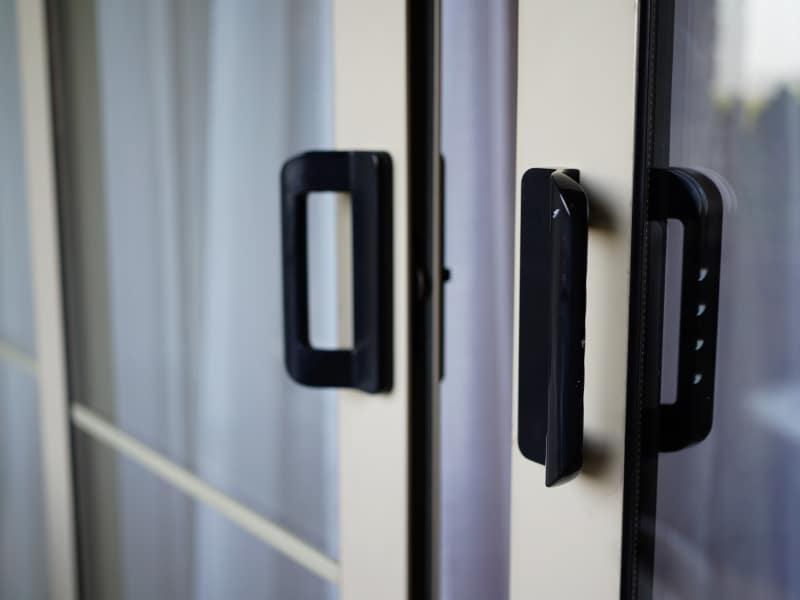
Yes, and often by more than you’d think. A poorly installed sliding door doesn’t just look off; it wears out quicker. When the tracks or seals aren’t right, the rollers take extra strain and the frame starts to shift. The signs usually appear as:
- Doors warping and refusing to close properly
- Rollers breaking down sooner than expected
- Gaps letting in water and encouraging mould
- Higher energy bills,thanks to poor insulation
These problems shorten the life of the door and increase your costs. Repairs and replacements can easily outweigh what you saved by cutting corners. Before starting, it helps to understand the cost factors when installing uPVC sliding windows. Choices around uPVC frames, glazing, and labour all affect durability. Skimping at the start usually means paying more later.
How can fitting a sliding door improve your living space?
When fitted well, sliding doors do more than just open and close. They change how you use your home and make everyday living more comfortable. Here’s what they bring:
- More daylight, cutting the need for lights during the day
- Better airflow, letting in breezes without dragging chairs around
- Space-saving layouts, since panels slide instead of swinging
- Stronger connection between indoor and outdoor living areas
A quick look at the main perks:
| Benefit | Impact on Daily Living |
| Natural light | Rooms feel brighter and more inviting |
| Smooth ventilation | Keeps the air fresh and reduces stuffiness |
| Indoor-outdoor flow | Makes entertaining easier and more relaxed |
| Energy performance | Helps keep bills steady with insulation |
In short, a good installation makes life easier. It’s the difference between a door that’s a daily frustration and one that works so well you hardly notice it. With uPVC sliding doors, you also gain durability and thermal performance that stands the test of time.
Why can expert guidance make fitting a sliding door easier?
Even the most capable DIY renovators admit that sliding doors can be fiddly. A professional installer has the right tools and knows how to avoid the common traps. More importantly, they can spot issues you may not notice until much later. Here’s why expert advice makes a difference:
- Fewer costly mistakes, saving you repairs down the track
- Correct product selection tailored to your home’s conditions
- Access to high-quality sealants and fixings is not always available in retail
- Workmanship guarantees that offer real peace of mind
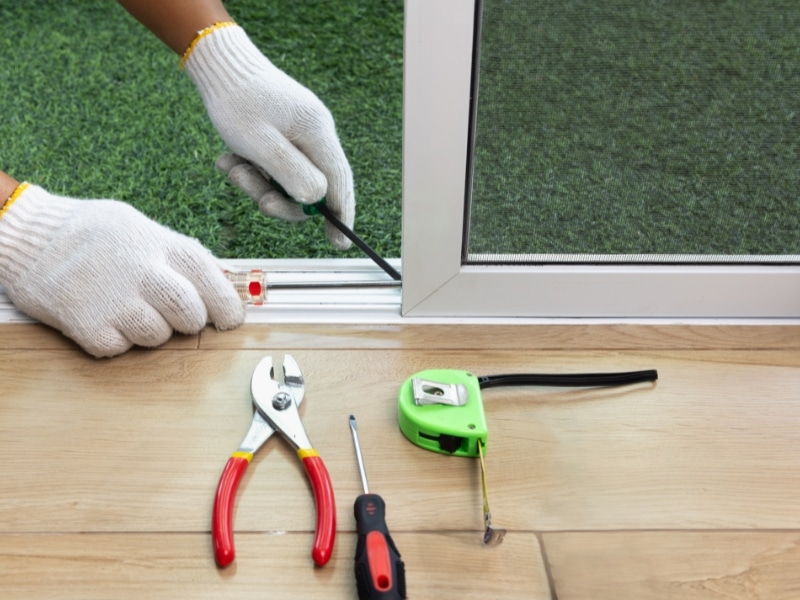
Professional input doesn’t just mean convenience; it ensures compliance with local building standards. If you’re considering long-term value, that expertise can make all the difference. A well-fitted uPVC sliding door also plays a big role in enhancing safety and security in living spaces through design. With the right approach, you can enjoy both comfort and peace of mind knowing your home is secure.. With the right approach, you can enjoy both comfort and peace of mind knowing your home is secure.
Why is accurate measuring essential when fitting a sliding door?
Nothing trips up a project faster than poor measuring. Sliding doors depend on precision. Even a small error can throw the whole installation out of whack. When measurements aren’t spot on, you risk:
- Annoying gaps that let in air or insects
- Frames not lining up with walls
- Extra wear on rollers and tracks
- Extra labour if the door has to be reset
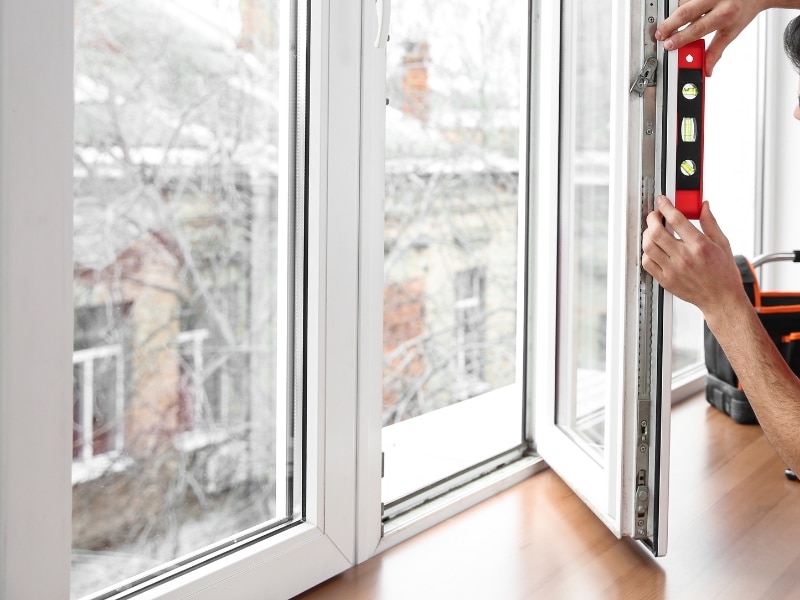
Taking the time to measure properly pays off. Use a long level, check all sides, and measure more than once. That way, the installation runs smoothly and the door works without a fuss. Accurate measuring doesn’t just save money on the day — it also means a door that lasts longer with fewer dramas.
Final thoughts
Sliding doors bring real benefits when they’re installed correctly, but they demand attention to detail. A rushed job leads to alignment issues, poor sealing, and repairs you’d rather avoid. Careful preparation, accurate measuring, and the right hardware make all the difference. If you’re weighing up whether to do it yourself or call in a professional, remember the long-term value of getting it right. The result is a door that glides smoothly, looks sharp, and adds comfort to your home. For ideas on where to start, discover how uPVC Windows Expert can help with modern sliding door upgrades.