Because it insulates well, resists harsh weather, and trims upkeep, uPVC window framing is a smart move for comfort and cost. Frames shape how a room feels more than many realise. When they leak heat or rattle, energy bills creep up and comfort slips. With uPVC window framing, the frame becomes a quiet workhorse for thermal control, acoustics, and durability. It also plays nicely with modern glazing and seals, so results feel immediate. This article explores problems with old frames, shows performance gains, and helps match styles to Australian homes
What common framing issues affect home energy efficiency?
Old or poorly specified frames drag down thermal performance fast. Tiny gaps, thin profiles, and tired seals combine to raise bills and discomfort. In tricky weather, the weak spots show up first around sashes and corners. Here are the framing issues affecting home energy efficiency:
- Air leakage at joints: Repeated movement loosens mitres, creating pathways for drafts and dust.
- Worn compression seals: Age and UV flatten seals, reducing contact pressure on closing edges.
- High-conductivity profiles: Metal frames without breaks move heat from outside to inside.
- Out-of-square openings: Settled brickwork twists frames and leaves uneven reveal gaps.
- Poorly packed fixings: Hollow spots around anchors become conduits for cold or hot air.
- Sloppy glazing beads: Gaps around glass edges invite whistling and moisture ingress.
In practice, a methodical survey reveals more than a glance. Tight seals, true frames, and correct packers deliver fewer draughts day to day. In short, fix the edges and indoor comfort stops yo-yoing.
Why do traditional window materials fall short over time?
Character counts, yet Australian conditions are unforgiving. Sun, salt, and temperature swings batter timber and metal alike. Over time, swelling, corrosion, and coating fatigue demand constant attention and coin. Here are the reasons traditional materials fall short over time:
- Timber movement: Humidity cycles swell and shrink sashes, stressing joints and paint films.
- Bare aluminium conduction: Non-thermally broken frames radiate heat in summer and suck it in winter.
- Steel corrosion near coasts: Salt air triggers rust, stressing hardware, screws, and hinges.
- Paint and stain upkeep: UV chalk finishes, forcing regular sanding and recoating.
- Sealant incompatibility: Hardening or cracking sealants uncouple frames from the wall line.
- Hardware fatigue: Misaligned hinges and rollers wear quickly under racked, twisted frames.
As years roll on, the potential for frame warping rises, which knocks alignment and seal pressure. Consequently, comfort dips and maintenance become hard work. A durable, low-conductivity frame sidesteps that cycle nicely.
How can poor insulation from old frames increase your energy bills?
Heat takes the easiest path, and frames often provide it. Conduction through metal, air leakage at joints, and internal convection loops near cold surfaces all raise loads on heaters and coolers. Bills creep up, yet rooms still feel patchy. Here are the ways poor insulation inflates energy costs:
- Conduction through frames: Metal rails act like thermal bridges, equalising temperatures across the wall.
- Infiltration via gaps: Unsealed joints pull in outdoor air, forcing longer HVAC run times.
- Convective currents at the glass: Cooled air drops near the window, drawing warm room air down.
- Radiant exchange: Hot sun warms exposed frames that then radiate into rooms.
- Moisture effects: Damp frames reduce insulation value and can mark nearby plaster.
- Control instability: Frequent HVAC cycling wastes electricity and shortens equipment life.
Bills rise because each mechanism compounds the others. However, better frames calm the physics and steady comfort. For a clear primer that you can apply to quotes and specs, understanding how efficient windows lower energy bills, then match those principles to your home’s exposure. With that knowledge, choices feel less like guesswork.
How does uPVC window framing improve thermal performance in homes?
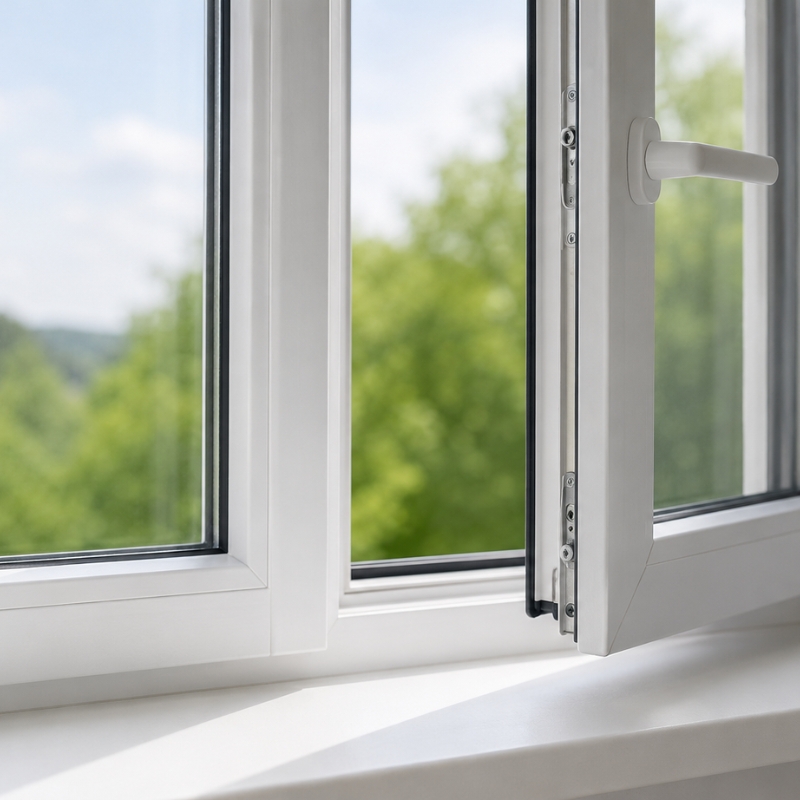
uPVC is naturally low-conductive and stable in heat and cold. Multichamber profiles trap still air, while quality compression seals curb infiltration. Together, they cut heat transfer and drafts without fuss. Here are the thermal performance improvements with uPVC frames:
- Multichamber design: Internal cavities slow conduction and dampen sound transmission.
- Consistent seal pressure: Stiffer profiles align hardware for reliable air-tight closing.
- Compatible glazing: Low-e double glazing pairs neatly to maximise total system U-value.
- Condensation control: Warmer interior surfaces reduce moisture at beads and reveals.
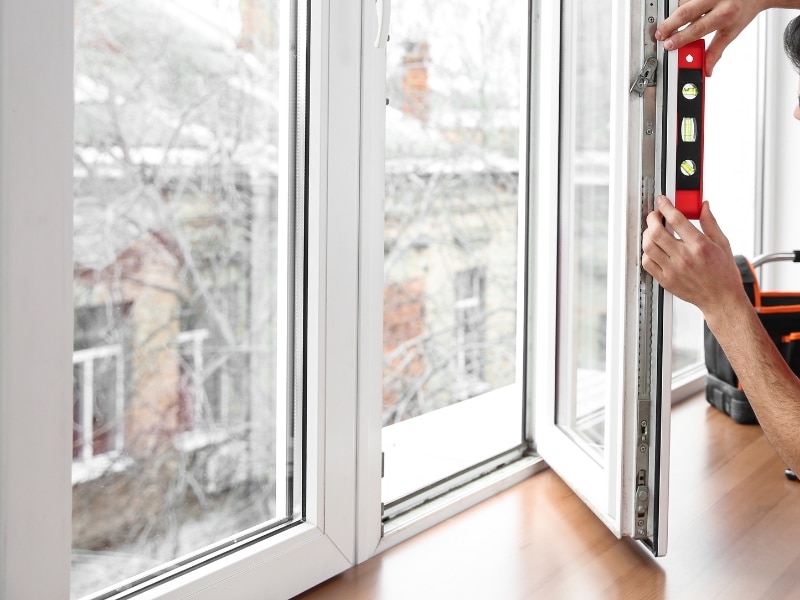
- Edge-to-edge fit: Correct packers and fixings maintain square, tight frames over time.
- All-weather resilience: UV-stable uPVC handles southerly busters and heatwaves without softening.
Reduced summer heat gain and lower heat loss in winter follow when frames and glass work as one system. To ground the decision, the table below compares common frame types on thermal and practical criteria relevant to Australian homes.
| Frame material | Relative thermal efficiency | Air tightness potential | Maintenance load | Acoustic benefit | Typical suitability |
| Timber (painted) | Moderate | Moderate | High | Moderate | Heritage, low-salt inland |
| Aluminium (non-thermally broken) | Low | Moderate | Low–Moderate | Low–Moderate | Budget, mild climates |
| Aluminium (thermally broken) | Moderate–High | Moderate | Low–Moderate | Moderate | Contemporary builds |
| uPVC (multi-chamber) | High | High | Low | High | Family homes, coastal and inland |
When the aim is quieter, steadier rooms, framing choice does the heavy lifting. For a practical next step that lines up with modern sealing and glazing strategies, consider efficient uPVC window framing for better insulation as the backbone of your upgrade path. In short, better frames make heaters and coolers feel overqualified.
Which uPVC window framing styles best suit Australian architecture?
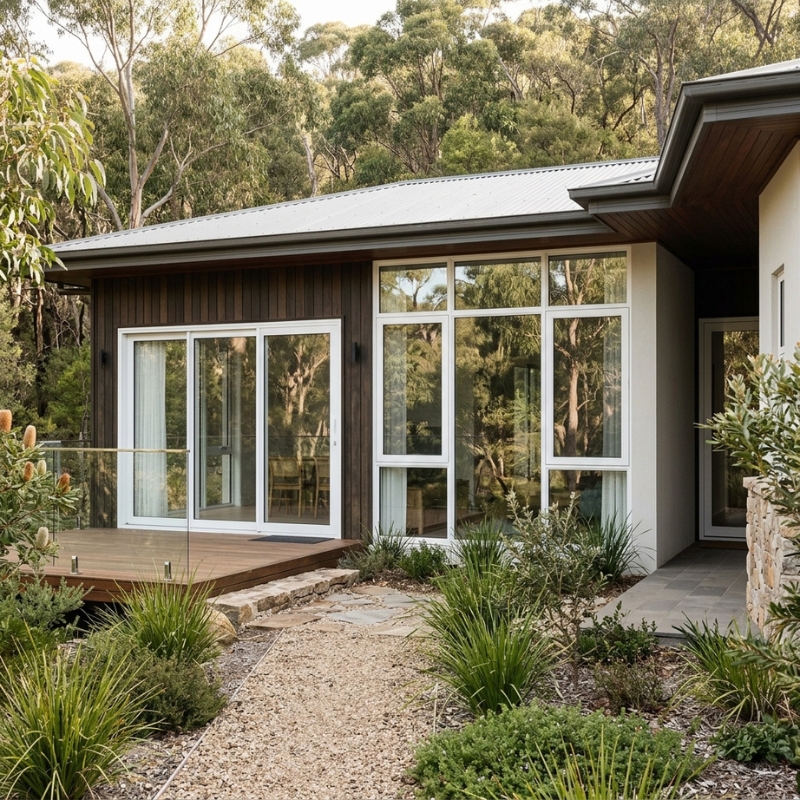
A reasonable frame should look the part as well as perform. From Federation cottages to coastal boxes and inner-city terraces, styles need to respect sightlines, breezes, and bushfire considerations. Here are the uPVC framing styles that suit Australian homes:
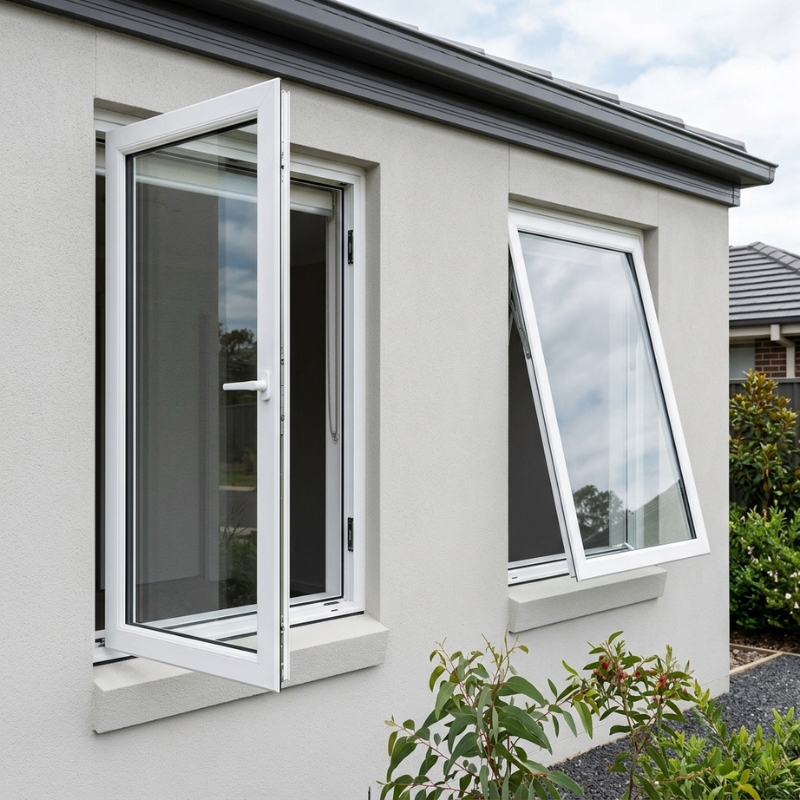
- Awning windows: Top-hinged sashes vent during rain and block direct gusts on stormy days.
- Casement windows: Side-hinged leaves seal hard on the windward side for strong air tightness.
- Sliding windows: Space-saving action works near decks and narrow walkways without swing clearance.
- Tilt-and-turn windows: Dual modes enable secure night ventilation and fast whole-house purge.
- Fixed picture windows: Large panes maximise light while the frame anchors thermal performance.
- Custom bars and colours: Profiles mimic traditional lines without fiddly repainting in summer.
Good design blends cross-ventilation, shading, and privacy with durable hardware. For coastal or bush-edge builds, select corrosion-resistant fittings and screens that meet local rules. In salty air, uPVC won’t rust or rot, which is a fair dinkum advantage near the beach.
Can uPVC window framing reduce maintenance costs and improve durability?
Time is precious, and constant sanding or repainting costs a bomb. uPVC needs modest care, maintains alignment, and protects seals and hardware from harsh UV and salt exposure. Here are the durability and maintenance advantages:
- UV-stable material: Pigments and stabilisers resist chalking and fading under hard sun.
- Simple cleaning: Mild detergent and water keep frames tidy without harsh solvents.
- Robust hardware seats: Stable profiles hold screws and hinges tight over long cycles.
- Gasket-friendly design: Soft seals maintain elasticity when cleaned and lubricated annually.
- Coastal resilience: Non-corroding frames pair with stainless hardware for longevity.
- Easy parts replacement: Clip-in beads and standardised components simplify servicing.
Over ten years, the schedule looks light and predictable. Annual checks before summer heat pay off during January scorchers. Expect less fiddly upkeep and more weekends without tools, which is a welcome change.
Final thoughts on choosing the right uPVC window framing for your home
Choosing well starts with the rooms that cop the hardest with sun or wind, then flows to the rest once comfort lifts and the budget breathes. Prioritise west-facing or windward spaces, match frames to airflow (awnings and casements where breezes bite; sliders where space is tight), and specify compression seals with documented air-leakage performance so results are measurable, not a stab in the dark. Hardware quality matters too, especially in coastal areas where corrosion tests commitment; nominate coastal-grade metals and robust insect screens early to avoid late curveballs. If staging upgrades, map phases by exposure and use; that way, the biggest comfort win arrives first and momentum sticks. For practical, site-specific guidance that aligns profiles, seals, and hardware with your home’s conditions, ask uPVC Windows Expert about the best framing options for your home; samples on the sill reveal scale and shade far better than photos, and seeing them in place makes the decision feel like a walk in the park.