Installing double-glazed windows offers a powerful way to boost comfort and slash energy waste without tearing down walls. With power bills rising and temperature extremes becoming the new normal in many Australian suburbs, it’s no surprise that more homeowners are scrutinising their windows. While double glazing feels like a familiar option, many still delay the switch. This article explores the real gains, the catch‑ups, and whether installing double-glazed windows is worth it for your place.
Why do homeowners still struggle with poor insulation and rising bills?
Many houses still built decades ago weren’t designed with energy conservation at the forefront of mind. The windows fitted then simply aren’t up to the thermal demands of today, and households feel the pinch. Here are the key reasons this struggle continues:
- Single‑pane windows let heat in and out too easily, so your heater or air‑con works overtime.
- Aluminium or older frame materials conduct temperature like a metal rod, eroding insulation value.
- Poor window seals and weather stripping let in hidden draughts, so rooms feel chilly or stuffy.
- Original designs often ignored thermal breaks, so the whole wall structure underperforms.
Because of these factors, many people feel powerless watching high energy bills creep up, even when they try to conserve elsewhere.
What are the signs that your current windows are wasting energy?
You don’t need fancy tracking devices to see when your windows are failing. They’ll usually tell you in everyday ways. Here are four clear telltale signs:
- You feel small draughts or cold spots near window edges, even though everything looks closed.
- Moisture or fog appears between panes or clings inside glass, hinting at seal failure or insulation loss.
- Temperature swings within a room during the day — a once‑cool area gets hot after midday sun, then cold again.
- Your HVAC cycles on and off more often than expected, trying to compensate for energy leaks through glazing.
If these feel familiar, it might be time to find reliable options for installing double-glazed windows efficiently.
How can poor insulation affect your home’s energy efficiency?
Insulation gaps in windows don’t just let in heat or cold — they upset the whole balance of your house. The system fights harder to keep you comfortable, and that shows up in electricity bills and daily discomfort. Here’s how poor insulation plays out:
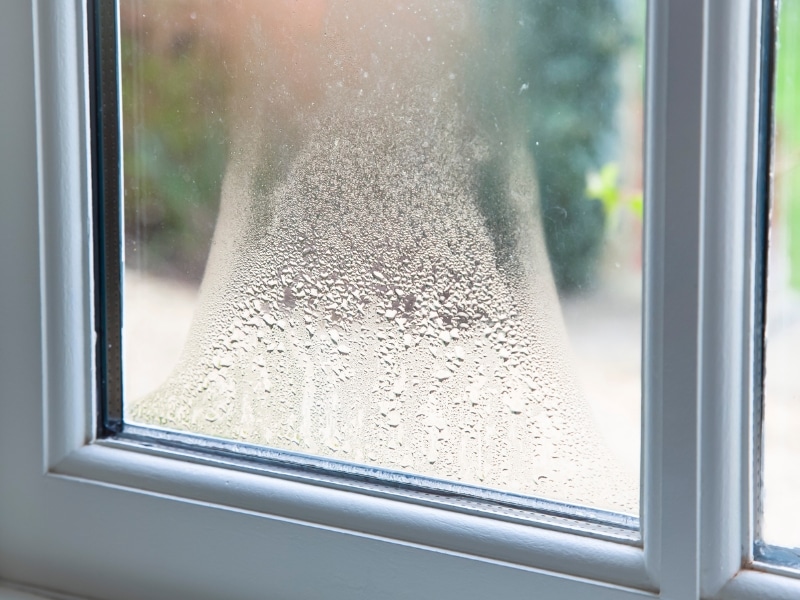
- Your heating or cooling works twice as hard, burning more power to compensate.
- Rooms near the glass feel disconnected from the rest of the house, creating functional awkward zones.
- Tiny leaks add up, turning what seems minimal into significant energy loss.
- You end up relying on fans or space heaters, which are inefficiencies layered on inefficiencies.
When you dive into how window glazing improves thermal performance, the differences between single and double glazing become striking. That technical context helps clarify what’s really at stake.
Can installing double-glazed windows solve temperature and noise issues?
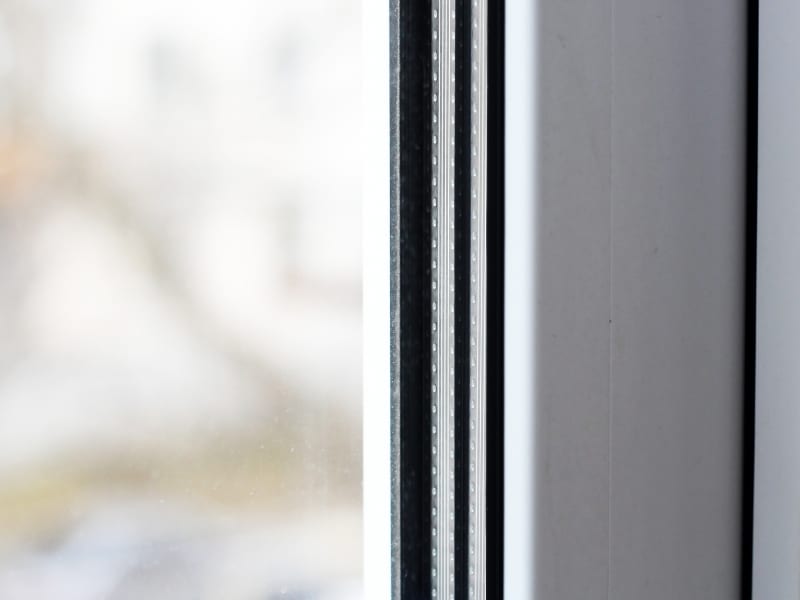
Installing double-glazed windows is one of the more straightforward upgrades that directly tackles both temperature instability and unwanted noise. Their construction intentionally traps insulating air (or inert gas) between panes, hitting two problems at once. Here’s what you get:
- Better sound isolation, cutting out street, neighbour and other background noise.
- Reduced heat transfer, so rooms stay cooler in summer and warmer in winter.
- Less interior echo or reverberation, which improves perceived quietness.
- Stronger seals with modern frames, reducing draughts and cold infiltration.
The table below compares how single and double-glazing stack up for noise and temperature performance:
| Feature | Single Glazed Window | Double Glazed Window |
| Thermal insulation rating | Low | High |
| Noise reduction capability | Minimal | Significant |
| Indoor temperature control | Inconsistent | Stable |
| Draught resistance | Weak | Strong |
If questions arise about pricing, comfort or investment, it helps to ask why a double-glazed uPVC sliding window is worth the extra cost — often comfort and energy gains tell the rest of the story.
What should you consider before installing double-glazed windows?
Going for double-glazed windows isn’t just about slapping in better glass. The context of your home, design choices and real‑world conditions will all influence how much value you actually reap. Here’s what deserves your attention:
- Frame condition and compatibility — older or warped frames may need work or replacement.
- Custom shapes and sizes get expensive quickly, so some windows cost much more to upgrade.
- Site constraints and access issues, where tricky installation can inflate costs.
- Certification, energy ratings, and warranties which can vary significantly across manufacturers.
If comfort and usability matter most to you, consider understanding how fitting double-glazed windows improves comfort — that mindset often leads to better decisions than just chasing specs.
How does professional installation affect window lifespan?
A well‑made window can last decades, but how it’s installed can make or break that potential. If installation errors creep in, performance degrades faster than many predict. Here’s why professional installation is vital:
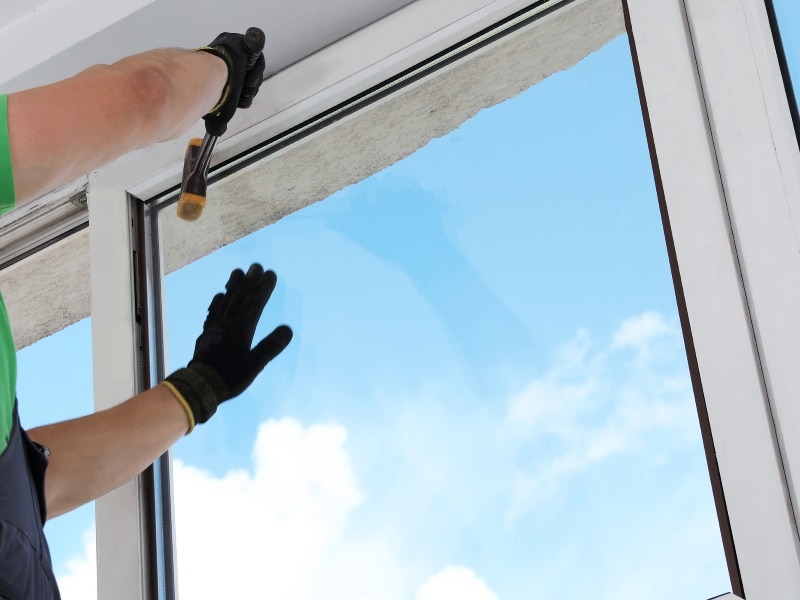
- Accurate seals avoid air and moisture infiltration, protecting both structure and thermal performance.
- Correct alignment ensures the frame remains undistorted over time, preserving efficiency.
- Quality sealants are applied precisely, so they endure contraction and expansion cycles.
- The installer understands structural loads and wall interfaces, helping avoid frame stress and failure.
When you factor in the long-term impact, professional installation clearly adds value. It safeguards your investment, ensures thermal performance is maintained, and helps avoid costly fixes down the line.
What makes installing double-glazed windows a smart long-term choice?
Looking at the whole picture, double-glazed windows offer more than energy savings — they deliver quality-of-life upgrades that stack over time. The real returns often emerge after a few seasons. Here are the long game wins:
- Lower power bills year after year, making the initial cost easier to absorb.
- Better market appeal, as more buyers now see efficient glazing as a must.
- Quiet, comfortable living in all seasons, not just occasional comfort.
- Minimal upkeep and fewer replacements, as modern systems last.
All told, this upgrade isn’t about a quick fix — it’s about making your home more sustainable, peaceful and resilient.
Final thoughts
Installing double-glazed windows isn’t just about saving on energy bills — it’s about creating a home that’s quieter, more comfortable, and better suited to Australian conditions. If you’re considering the switch and want expert guidance from start to finish, learn how uPVC Windows Expert ensures quality through proper advice, tailored solutions, and precision installation.