Ever looked at your sliding doors and wondered if they’re pulling their weight? Are they insulating well, sliding smoothly, and actually suited to your home’s structure and style? For many Aussie homes, the answer is a quiet no. And often, it’s the frame that’s to blame. Choosing the wrong frame—especially one not matched to your climate or build—can lead to warping, leaks, and sky-high maintenance costs. That’s where uPVC comes in. Known for its durability, low upkeep, and energy efficiency, it’s fast becoming the go-to choice across Australia. But not every home is built the same, and not all uPVC frames are either. This article explores how to choose the best uPVC sliding door frame based on your home’s structure, style, and location—so you can avoid the common pitfalls and pick a frame that lasts.
What structural factors affect the performance of a uPVC sliding door frame?
Not every house supports a sliding door frame in the same way. The construction of your walls and their movement over time can directly impact the performance of your UPVC sliding door frame. Even newer builds can show signs of frame stress if key features aren’t factored in. Here are the structural elements that matter most:
- Wall alignment issues: Even slight warping can leave gaps between the frame and the wall.
- Timber movement over time: Natural timber frames flex and shrink, affecting fit.
- Insufficient lintel strength: Unsupported spans above wide doors lead to sagging.
- Foundation shifts: Soil movement or slab settling can misalign the entire unit.
It’s also worth considering which homes are best suited for fixed panel sliding doors as part of the design plan, particularly when structural movement is a concern. When a sliding door frame isn’t installed to suit your wall’s movement and support, you’ll feel it—literally. Rattling panels, stuck doors, and air leaks are signs that something’s off. That’s why matching uPVC frame design to your build type is so essential.
What common issues affect sliding door frames in Australian homes?
Sliding doors in Aussie homes go through a lot. Between wild weather, bush dust, and coastal conditions, materials wear down quicker than you’d expect. These problems often arise long before most people think to check the frame. Here are the most common issues:
- Timber swelling: Moisture leads to sticky tracks and warped frames.
- Track corrosion: Metal rollers and guides rust quickly near the coast.
- UV damage: Sun breaks down seals and frame coatings over time.
- Soil movement: Shifting ground can tilt frames and misalign doors.
Ignoring these issues doesn’t make them disappear. You’ll eventually end up with a door that won’t slide, locks that don’t align, and higher power bills from poor sealing. Addressing the frame early can save more than just your patience.
How can poor frame choices increase long-term maintenance costs?
Not all frames are built equal—and some can chew through your budget long after installation. The upfront price may seem low, but maintenance costs can quickly add up due to materials that can’t withstand the elements. That’s where sliding door frame maintenance costs begin to spike. Here are the ways poor choices hit your wallet:
- Timber requires frequent upkeep: Annual sealing or painting is a must.
- Aluminium rusts in salty air: Oxidation shortens its lifespan.
- UV-affected plastics: Cheap plastics crack, fade, and peel quickly.
- Swelling causes wider damage: Sticky doors may lead to floor or wall issues.
If your door frame doesn’t match your local climate and home design, expect more than just aesthetic issues. Ongoing callouts, repairs, and replacements will cost more than choosing durable materials up front. Look into quality options in uPVC sliding door frame installations that reduce hassle and future expenses.
Why is a uPVC sliding door frame more durable than timber or aluminium?
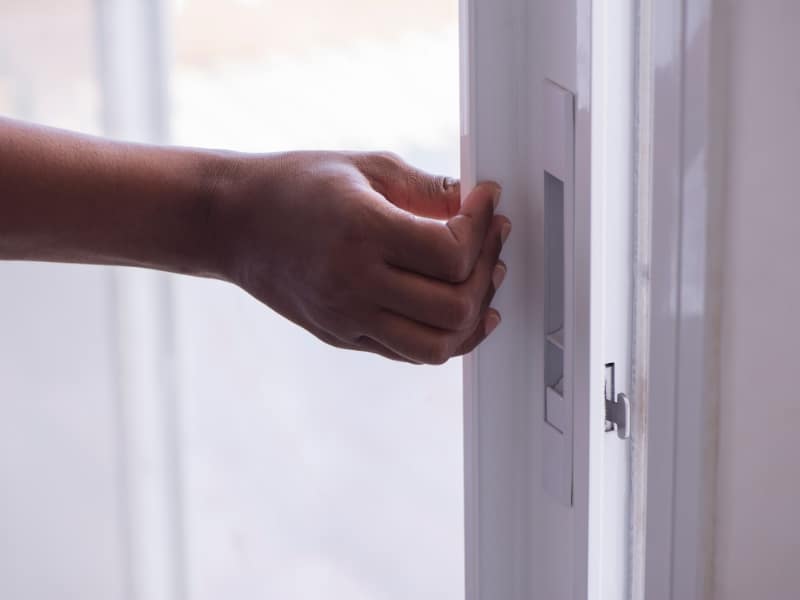
You’ve probably seen timber frames warp or aluminium rust out—but uPVC holds strong. It’s built to last in Australia’s toughest conditions and doesn’t rely on paint or chemical coatings for protection. That’s why the UPVC sliding door frame durability stands out. Here are the key durability advantages:
- Resistant to coastal corrosion: Salt air won’t eat into uPVC.
- UV-resistant composition: Won’t fade, crack, or discolour in full sun.
- Internally reinforced: Steel reinforcements add extra structural integrity.
- Long lifespan: 30+ years with minimal maintenance or repairs.
Timber may look charming, but it’s high-maintenance, especially in exposed areas. Aluminium isn’t bad, but near the ocean, it often fails before its time. uPVC is engineered for endurance, with fewer issues over decades—not just a few years.
How does a uPVC sliding door frame improve insulation and comfort?
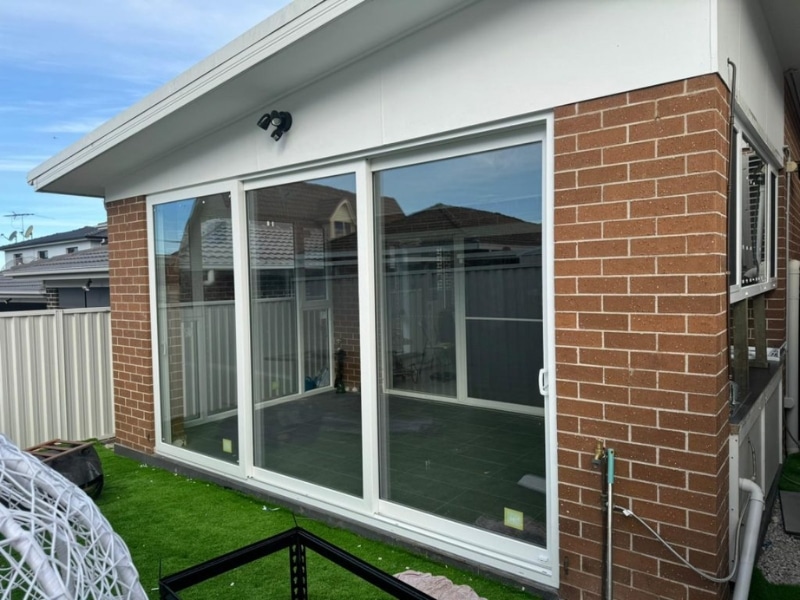
Good frames do more than hold glass in place—they keep heat in during winter and out during summer. When insulation’s lacking, your energy bills soar. The right upvc sliding door frame insulation makes a noticeable difference to your home’s comfort. Here are the insulation benefits of uPVC:
- Multi-chamber design: Reduces thermal transfer between indoors and out.
- Compatible with high-performance glazing: Pairs easily with double/triple glazing.
- Acoustic benefits: Blocks more sound than metal or timber.
- Draught control: Seals tightly, even in windy zones.
When you swap to insulated uPVC frames, your home feels cosier year-round—and your HVAC system works less. You can also explore efficient sliding door frame options for enhanced home comfort, providing added detail.
Which Australian climates put the most challenging demands on door frames?
Australia throws everything at its buildings—from salt-spray wind in Fremantle to alpine chill in Bright. Each climate zone poses different challenges for door frame performance. To get it right, you need to know what you’re up against. Here are the toughest climate conditions:
- Coastal zones: Salt and humidity eat away at metal frames.
- Tropical regions: Heat and rain degrade weak sealants fast.
- Desert interiors: Dust and temp extremes split older materials.
- Alpine areas: Freezing temps lead to condensation and rot.
Here are some common climate challenges and the ideal door frame material:
| Climate Zone | Main Challenges | Ideal Frame Material |
| Coastal | Salt corrosion, humidity | uPVC |
| Tropical | Rain, UV exposure | uPVC |
| Arid/Desert | Dust, extreme heat swings | uPVC |
| Temperate/Alpine | Cold, condensation | uPVC with glazing |
most of what Australia dishes out. To ensure compliance and make informed decisions, refer to the guidelines on window frames and glass types before finalising your choice.
Choosing the best uPVC sliding door frame for your home
Different homes have different personalities. A modern open-plan layout calls for a bold, uninterrupted view and seamless operation, while a heritage-style house may benefit from understated elegance that blends in. Think about how your door handles feel and what shades sit well with your decor—those little touches make a space feel right. You want a frame that stays out of your way—quiet, reliable, and steadily comfortable. The kind that just works, year in year out, without grabbing your attention or your time. Want interiors that breathe, bills that drop, and doors that glide like butter year after year? See how uPVC Windows Expert ensures long-lasting results by tailoring design to your needs and building in comfort that matters.