
Old windows can let you down. From draughts and leaks to warped frames and flaking paint, ageing windows often underperform in Aussie conditions. Many homeowners are turning to uPVC windows installation as a reliable solution — and with good reason. These frames are rugged, energy-efficient, and low-maintenance. But is swapping your old frames for uPVC truly worth it? The answer isn’t one-size-fits-all. It depends on how well the new windows are installed, the condition of your current frames, and whether your space suits the upgrade. Choosing the proper technique, materials, and installers can make all the difference between a wise investment and an expensive mistake. This blog explores the real issues — and offers practical solutions for addressing them effectively.
What problems arise from poor uPVC window installation techniques?
Even top-notch windows can underperform when installed incorrectly. Misaligned frames, sloppy sealing, or poor measurements can lead to costly issues that require later repairs.
You might notice:
- Gaps letting in wind or rain — especially in older brick homes where frames weren’t seated flush against uneven reveals.
- Frames that stick or won’t close cleanly, often due to warping from improper shimming or incorrect screws that pull the unit out of square.
- Internal condensation forms between panes, typically when perimeter seals are compromised or thermal barriers are compromised.
- Rattling noises during storms, which indicate loose fixings or frame shift from a poorly stabilised install — a red flag for long-term movement.
These issues typically stem from subpar uPVC window installation techniques. Rushed work often skips crucial steps, such as squaring the frame or properly securing fixings to suit brick or timber openings. When installers use silicone instead of complete perimeter sealing, you’re left with flimsy thermal protection. A shonky job can undo the benefits of uPVC altogether. You’ll lose efficiency, comfort, and potential resale value — all of which can be avoided with proper preparation and skill.
Why do outdated frames fail to support modern double glazing?
You can’t fit a square peg in a round hole — and you can’t expect old frames to handle modern double glazing. The mismatch causes stress on the new units and weakens the seal. Outdated timber or aluminium frames usually lack:
- Sufficient depth for double-glazed units — older windows often only allow 3–4mm glass, compared to the 20mm+ needed for proper double glazing.
- Structural stability after years of wear — decades of sun, termites, and moisture make frames brittle or warped, which leads to uneven pressure points.
- Proper anchoring for newer, heavier panes — modern glazing can be nearly double the weight, requiring sturdier brackets and deeper fixings.
- Compatibility with modern drainage systems — old frames weren’t designed with water runoff or condensation channels in mind, risking internal water pooling.
These mismatches often result in drafts, leaks, or even cracked panes under pressure. That’s why retrofitting into old frames is rarely recommended unless they’re in pristine condition.
Can incorrect uPVC window installation increase long-term maintenance costs?
Absolutely. Mistakes made during installation might not be obvious right away, but over time, they’ll chew through your budget like termites in a skirting board. You could face:
- Warping or sagging from poor frame support — this often leads to stress fractures or cracked render around openings, especially in high-sun locations.
- Water ingress leading to internal rot or mould — even small leaks can damage paintwork, insulation, and wall framing behind the surface.
- Cracked plaster or movement around the window reveals a tell-tale sign that fixings have failed or pressure hasn’t been distributed evenly.
- Increased heating and cooling bills — energy loss through gaps or thermally inefficient seals quickly adds up across multiple rooms.
All of these issues can be traced back to how the windows were installed. It’s tempting to go with the cheapest quote, but cutting corners always costs more in the long run. Choosing the right professionals saves you money over time — both in fewer repairs and better performance. Learn more about the efficient steps for a smooth uPVC windows installation process before committing.
How does professional window installation improve energy efficiency?
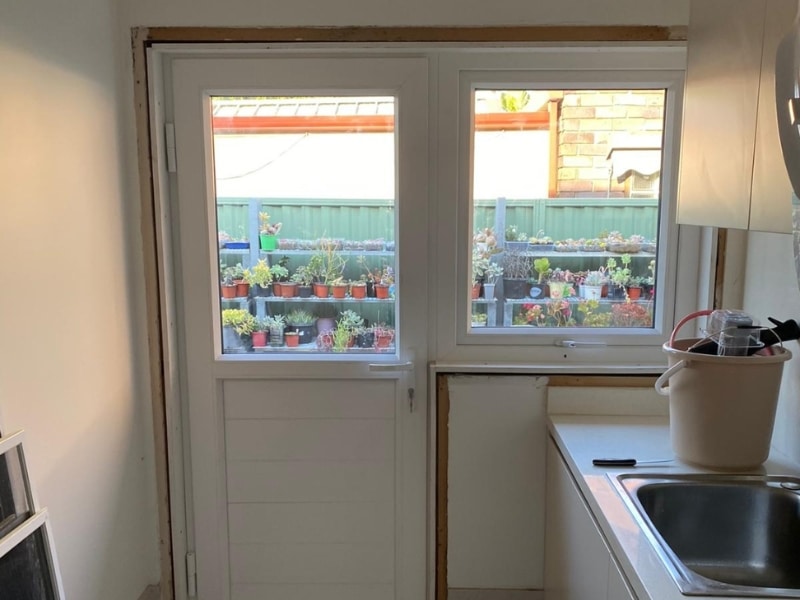
When done correctly, new windows can make your home feel tighter, quieter, and cosier. A professional window installation creates a weathertight barrier that works with your insulation, not against it. Here’s what quality installation helps with:
- Tight air seals that stop draughts and heat loss — particularly crucial in Melbourne or Sydney’s variable climate, where both summer and winter efficiency matters.
- Double-glazed units that reduce UV and noise — protecting your furnishings while cutting out road or aircraft noise if you’re near a busy corridor.
- Correct alignment to prevent stress fractures — evenly distributed pressure ensures frames stay flush with brickwork over time, even in shifting soils.
- Durable materials that resist sun damage — UV-resistant uPVC won’t yellow, crack, or warp like cheaper plastics, especially in sun-baked suburbs.
A proper install is the key to unlocking the full value of your windows. There’s no point splashing out on high-spec units if the job’s rushed or incomplete. That’s why it’s essential to understand the difference that professional window installation can make.
Which steps ensure a smooth window installation for custom openings?
Older homes in Australia often feature non-standard frame sizes, warped brickwork, or bespoke designs. Fitting new units into these quirks takes a fair bit of skill. A smooth window installation process should include:
- Full pre-measure and site inspection — checking each opening for squareness, depth, moisture levels, and existing damage.
- Removal of rot or loose render around openings — to ensure the new unit bonds properly with the substrate and doesn’t shift over time.
- Use of packers to square and level the new frame — correcting any slight wall irregularities and providing consistent pressure points for fixings.
- Application of sealing tape and full perimeter sealant — creating an airtight, watertight barrier that’s far more reliable than foam-only methods.
- Pressure-fit techniques to avoid frame distortion — using temporary braces and measured tension to prevent buckling of the frame during screw fixing.
Avoid installers who install windows with foam only or leave gaps behind the trim. These shortcuts leave your home vulnerable to water damage. You might also consider the modern benefits of double glazing when planning your installation — especially if you’re dealing with traffic noise or harsh summer glare.
When should you replace old timber frames before uPVC window installation?
Sometimes, it’s better to rip out the old than try to make it work. Not all timber frames are fit for reuse. Tell-tale signs you need complete replacement:
- Visible rot or termite damage — check behind architraves or at the bottom corners where moisture often pools unnoticed.
- Frames pulling away from brickwork — gaps wider than 10mm or movement when pressure is applied means the anchoring is compromised.
- Gaps between sash and frame wider than 3 mm — if daylight or air comes through, you’ve lost both security and energy efficiency.
- Sill damage from water pooling — especially on south-facing walls or spots shaded by trees, which can stay damp for weeks after rain.
If any of the above show up during inspection, the cost to repair usually outweighs the cost to replace. Replacing damaged frames ensures your new windows perform at their best and last well beyond the warranty period. Not to mention, it gives your installer better access and freedom to use the correct anchoring and sealing techniques. If you’re also aiming to improve your insulation performance, consider seeking government advice on energy-efficient glazing.
Final thoughts
When done right, uPVC windows installation can be a game-changer for your home. From thermal performance to cleaner aesthetics, it’s one of the most effective upgrades around — especially when paired with new frames and proper sealing. That said, it all comes down to the quality of your installation. Don’t risk it on the cheap. Ask uPVC Windows Expert about your installation options, we’ll give you honest advice and no-fuss service tailored to your home.