It depends on what you want from your space. Installing bifold doors does more than improve the look of your home—it changes how you use your rooms and how light, airflow, and access work together. Plenty of people are drawn to that smooth flow between inside and outside, but the decision isn’t all about aesthetics. There are real questions around how much it costs, how long the doors last, and whether they’ll perform as expected in your climate. This article explores how installing bifold doors could improve your home and where things can go wrong.
Why do homeowners face challenges when installing bifold doors?
The main reason many homeowners run into trouble is that bifold doors need more precision than you might think. Rushing or misjudging the basics leads to frustrating problems later on. Here are the key difficulties often encountered:
- Skipping the finer details of measurements—like slight height differences or out-of-square frames—can lead to gaps or jamming panels once the doors are up.
- Some homeowners try to cut costs with cheaper hinges or track systems, only to find their doors drag, lean, or come out of alignment within months.
- Weather gets overlooked. But moisture, wind, and heat make materials expand and contract, especially if your doors aren’t properly rated.
- Forgetting to seal or insulate properly at installation lets in rain, cold air, or even pests—and over time, that adds up in bills and discomfort.
When things like structure or hardware are overlooked, homeowners usually find themselves fixing issues that should’ve been avoided. Even with the best-looking doors, it’s what’s behind them—literally—that makes or breaks the experience.
How can poor planning make installing bifold doors more difficult?
It starts before a door even arrives. Poor planning can easily turn what should be a smooth project into a money pit. Here are the effects of deficient planning:
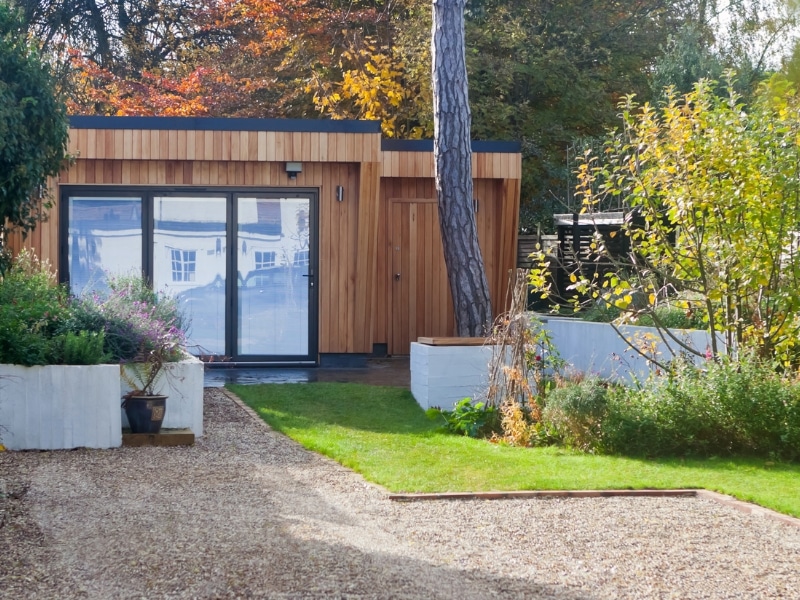
- A bifold door needs full clearance when open. Without measuring for neighbouring walls, downpipes or garden structures, you risk blocking the fold-out.
- If the supporting wall or lintel isn’t strong enough to hold the weight, even high-end uPVC bifold doors can shift or bow over time.
- Local councils often have specific rules on energy ratings, fire access, or glazing requirements. Failing to check those early could mean expensive reworks.
- Ordering without a layout sketch or template? It’s surprisingly easy to end up with the wrong swing direction or too many panels.
Poor preparation doesn’t just delay things—it often forces major changes mid-install. It’s worth taking the time to map it all out before committing to a door style or size.
Could poor installation reduce the lifespan of uPVC bifold doors?
Definitely, a lot of homeowners assume once the doors are in, the job’s done. But if they’re installed incorrectly, performance drops off fast. Here are the risks tied to inferior installation:
- Moisture seeping in through gaps or poorly sealed corners speeds up rust on steel parts and can cause mould around the frame.
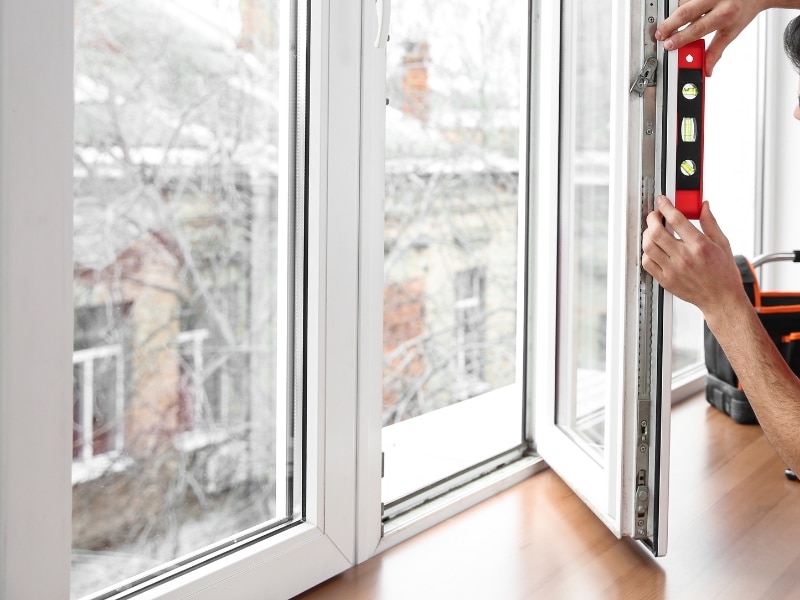
- If the doors aren’t level from the start, doors may become uneven, leading to squeaking or rollers slipping out of the track
- Without proper drainage around the base, water collects at the bottom and starts warping the lower panels. That’s where most failures begin.
- Going with thin or unsupported glazing may reduce weight, but it often can’t cope with pressure changes or heat, leading to foggy or cracked panels.
Table: Typical Lifespan vs Common Installation Issues
| Issue | Approximate Impact on Lifespan | Common Cause |
| Frame distortion | Up to 30% shorter | Installed on an uneven surface |
| Hinge or track failure | 25–40% earlier | Misalignment or overload |
| Leaks and drafts | Up to 50% less efficient | Poor sealing or drainage |
| Glazing breakdown | Immediate fault | Incorrect glass specs or support |
Cutting corners during install might not seem like a big deal on day one—but a year or two later, those issues tend to show up right when your warranty’s expired.
What are the benefits of installing uPVC bifold doors?
The right uPVC bifold doors can completely shift how your living space feels—without the need for a full renovation. Here are the principal benefits:
- They perform better in summer and winter. The thick frames and double-sealed glazing help block heat loss and drafts, which means better energy bills and more consistent comfort.
- Full-glass panels open wide, letting more light in and giving that open-air connection to patios or gardens that standard doors can’t match.
- You won’t be painting or oiling these every season. uPVC handles weather well and just needs a quick clean now and then.
- If your home already has modern lines, these doors finish that look nicely—and yes, buyers notice that kind of thing.
If these features appeal to your needs, it’s worth taking the time to explore high-quality uPVC bifold doors for modern homes that combine function, style, and energy efficiency into a single, long-term upgrade. Done right, they’re more than just a feature—they become part of how you use and enjoy your home every day.
How to ensure that installing bifold doors goes smoothly?
There’s no magic trick here. It’s about being thorough and using the right gear from the start. Here are actionable tips to streamline installation:
- Make sure the supplier gives you detailed install info, and that the hinges and track are rated for your local wind or sun exposure.
- Measure everything—multiple times. Check height, width, diagonals, and threshold clearance. Your installer will thank you.
- Not all glass is equal. Look into climate-suitable options that stop heat transfer. Knowing how double-glazed windows improve thermal comfort helps with better choices.
- Clear the work area, remove skirting boards if needed, and ensure the floor is dead-level before anything goes in.
You’ll be surprised how many problems never appear if the installation area is properly set up. It’s all in the prep.
When should you hire a professional instead of DIY installation?
It’s not about skill—it’s about risk. Some bifold setups need experience to avoid expensive mistakes. Here are indicators to seek professional help:
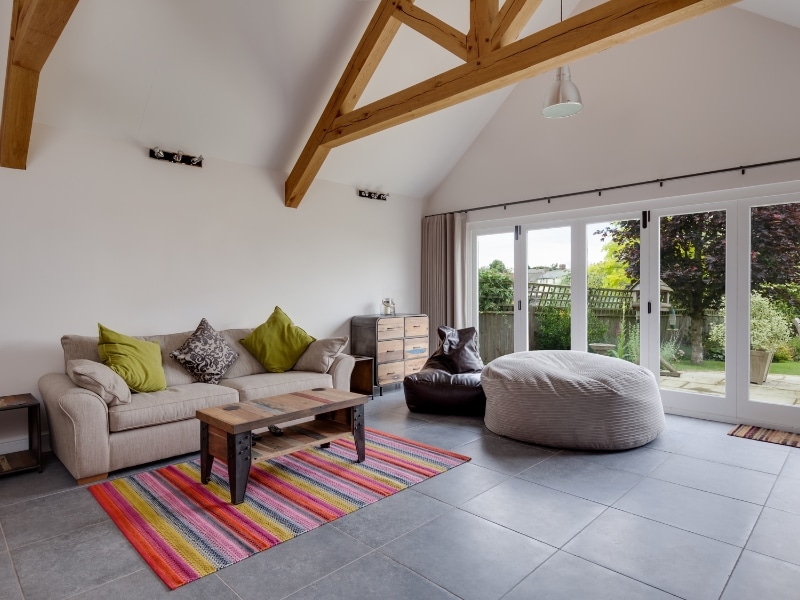
- Large openings may require structural changes or steel reinforcement. That’s not a Sunday DIY job.
- Building regs can be picky. A pro installer usually knows how to handle compliance and certifications.
- Uneven surfaces, drainage issues or bushfire zones? These all add complexity that’s best managed by someone who’s seen it before.
- If the panels cost a lot, you don’t want to mess up the first drill hole.
Sometimes it’s just smarter to hand it off. If the job has more than one moving part—or you’re not 100% confident—it’s time to call in a tradesperson.
Final thoughts
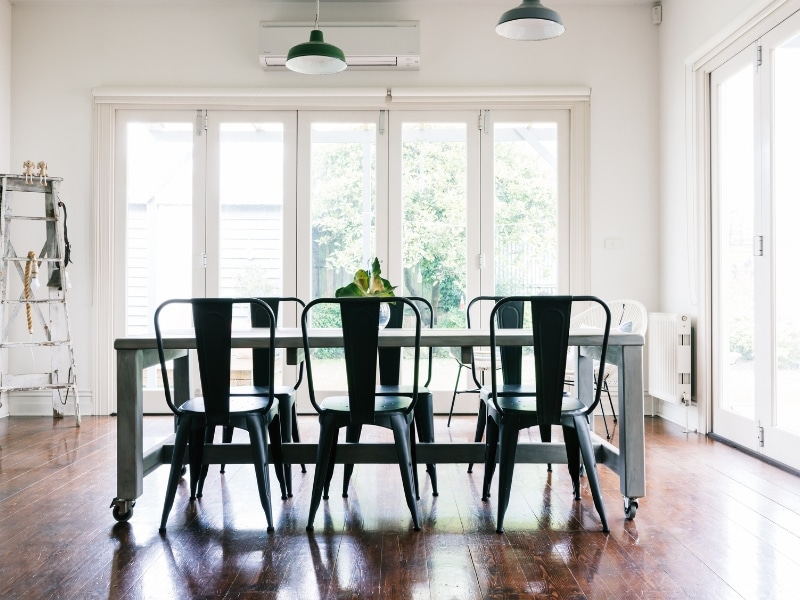
A well-designed bifold door setup can significantly alter the ambience of a space. Think of a dark, boxed-in lounge suddenly opening out into a backyard deck—light floods in, and the whole area just works better. You don’t need to rip the entire place apart, either. With a bit of planning, the right kind of panels, and a steady hand (yours or a pro’s), bifold doors become more than a style upgrade—they’re a smart way to get your indoors and outdoors working together. If you’re considering a switch, discover how uPVC Windows Expert can assist with modern door upgrades and guide you through what’s possible.