

Energy efficiency is a top priority for homeowners seeking to lower their power bills and enhance comfort. Windows play a significant role in a home’s thermal performance, and poorly fitted ones can lead to substantial heat loss. Custom awning windows offer a tailored solution that directly addresses these issues. This article explores how custom awning windows can enhance energy efficiency in your home.
What causes heat loss in poorly fitted window designs?
Windows that don’t sit flush or lack proper sealing are a major culprit for indoor temperature fluctuations. In colder months, warm air escapes easily through gaps, while summer heat can seep straight in. Common causes of energy loss in poorly fitted windows include:
- Gaps around the frame from incorrect installation or ageing materials
- Low-quality seals that degrade with exposure to weather
- Single-pane glass, which lacks insulation power
- Frame materials that conduct heat rather than block it
This lack of control over internal temperatures doesn’t just impact comfort. It can also increase your reliance on heating or cooling systems. Many older homes were not designed to account for thermal bridging or modern sealing standards, making them prime candidates for an upgrade. One option is to find reliable awning window solutions to improve household comfort and restore consistency to your home’s indoor temperature.
How do standard awning windows limit thermal comfort?
Standard awning windows, while functional, often fall short in terms of high-performance insulation. Most are produced in bulk, meaning they may not match your property’s specific wall depth, structure, or climate demands. Typical limitations include:
- Fixed sizing that can result in awkward fits or unnecessary air leakage
- Basic seal types that can wear out quickly
- Generic glass options with limited solar control or low-E coatings
- Aluminium frames without thermal breaks
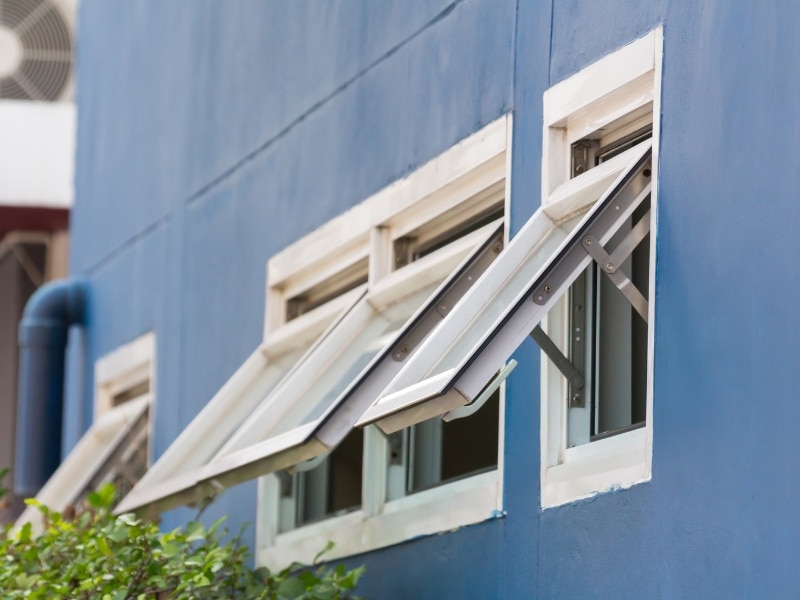
When standard sizing doesn’t suit your wall cavity or orientation, you’re likely to experience more heat gain in summer and loss in winter. This reduces the overall thermal comfort of your living areas and can increase energy usage throughout the year. Tailored window choices can help close these gaps and improve your control over airflow and temperature.
Do poorly fitted windows lead to higher power bills?
Absolutely. The impact of misaligned or poorly sealed windows on your electricity use shouldn’t be underestimated. When conditioned air escapes, your systems have to work twice as hard to maintain the set temperature. Energy efficiency drops due to:
- Air leakage, both in and out
- Condensation build-up, affecting insulation
- Hot or cold spots, making units cycle on more often
- Excessive solar heat gain through unprotected panes
A minor flaw—such as a window that doesn’t latch properly—can eventually lead to increased energy use. Learning how installing awning windows adds comfort to your home is key to understanding how performance-grade fittings can counteract energy wastage. Even a few customisations can yield measurable savings across seasons.
Here’s how common issues in poor window fittings affect your energy usage:
| Fitting Issue | Energy Impact | Resulting Problem |
| Loose or gapped window seals | Allows heat loss and draught entry | Increased heating and cooling demands |
| Single glazing | Lacks insulation against external temps | Higher indoor temperature variation |
| Misaligned frames | Creates unintended air pathways | Reduced system efficiency |
| Thin or outdated glass | Transfers solar heat easily | Overheating and rising cooling costs |
What features make custom awning windows more energy efficient?
Unlike standard models, custom awning windows are made to match your space and climate needs. They often include upgrades designed to limit thermal transfer, airflow and UV exposure. Key energy-saving features include:
- Double-glazed glass with inert gas layers
- uPVC frames that resist thermal conductivity
- Advanced sealing systems for better airtightness
- Strategic sizing and placement for solar control
Every adjustment made in a custom build supports long-term performance and reliability. You also have control over how wide they open, which influences the ventilation strategy. Many energy-smart homes include operable custom windows on shaded sides of the building to invite breeze while keeping heat out. It’s worth understanding why modern awning windows improve home insulation when deciding what upgrades to prioritise.
Are custom awning windows ideal for Australian climates?
Yes, especially when you consider Australia’s broad mix of weather patterns. From humid coasts to arid interiors, local climates demand adaptable home designs. Awning windows shine here because they allow air in while shielding against rain and glare. They’re ideal in local contexts due to:
- Outward-opening design, offering ventilation even during storms
- Custom solar control, letting you pick tint or glazing type
- Frame materials that resist heat warping, especially uPVC
- Flexible sizing, perfect for breezy verandas or compact spaces
Australian homeowners value windows that withstand extreme heat while keeping interiors cool. Compared to basic window types, awning models provide better cross-ventilation and control. A key part of their performance lies in understanding the impact of glazing on home insulation, particularly when selecting materials suitable for Australian climates.

Do window upgrades affect long-term energy performance?
Over time, yes—upgrading from stock-standard to thermally efficient designs can cut both heating and cooling needs. That translates into lower energy bills, better indoor comfort, and less pressure on your systems. Long-term improvements include:
- Greater energy star ratings for the home overall
- Sustained reduction in electricity use
- Less moisture and condensation, preserving other materials
- Reduced need for air conditioning during shoulder seasons
Modern windows can last for decades with proper care, ensuring the benefits continue long after installation. It’s smart to view window upgrades as an investment, especially when installed by professionals who know how to optimise thermal performance in conjunction with your floor plan.
What should you consider before choosing custom awning windows?
Not every window upgrade is suitable for every space, so it’s essential to do your homework before installation. Customisation lets you match shape, glazing, hardware and airflow control—but only if you weigh up what your home truly needs. Important points to think through:
- Orientation of each room and how the sun or shade affects it
- Preferred glass type, such as tinted, laminated or low-E
- Frame colour and profile, for both function and style
- How the window will open, and whether external clearance matters
Consider whether your window installer offers site inspections. Experienced professionals can help assess which window style best matches your energy-saving goals. Before you commit, understand what’s at stake and how much of an impact the right choice can make.
Final thoughts
Homes in Australia face challenging demands from shifting temperatures and intense sun. Choosing custom awning windows can be a simple yet powerful move towards greater comfort and efficiency. By addressing the design, material, and placement of each window, you gain more control over airflow and thermal transfer. That means less strain on your systems and a more consistent indoor climate. For tailored support, consider how uPVC Windows Expert can enhance your space.


